
In today’s world, environmental and energy challenges and broader social challenges are inseparable. Affordable housing, reliable healthcare, safe workplaces, and economic opportunity: these and other basics are becoming harder and harder to achieve as extreme weather becomes more frequent and the stability of our climate and environment grows increasingly fragile.
The good news is that this interconnectivity creates tremendous opportunities for win-win solutions. Our Climate & Energy team is dedicated to identifying and advancing evidence-based, forward-looking strategies that will improve everyday outcomes for Americans in the near term while also setting us on a path towards a more secure, sustainable, and prosperous future.
Our work has four programmatic focuses:
- Regulatory Ingenuity. Developing creative, clever approaches for improving environmental regulation and coupling regulatory and non-regulatory tools.
- Lands and Waters. Ensuring that all Americans benefit from healthy ecosystems by fostering evidence-based stewardship of natural resources.
- Climate and Health. Bolstering individual and community health and building more resilient health systems against the backdrop of a changing climate.
- Tech and Innovation. Building support for cutting-edge research in overlooked areas, while harnessing market and economic forces to scale high-impact environmental and climate solutions.
Environmental policy,
Land management,
Regulatory policy
Emerging Technologies
Clean Energy Governance
Critical Minerals,
Climate
Regional Development,
Innovative Procurement,
Clean Energy Deployment,
Climate Adaptation
International Cooperation,
Government Relations,
Strategic Advocacy,
Emergency Response
Grid Resilience and Modernization,
Environmental and Energy Justice
Disaster Preparedness & Response,
Environmental Justice,
Community-Driven Relocation,
International Development & Environmental Policy
energy permitting,
clean energy
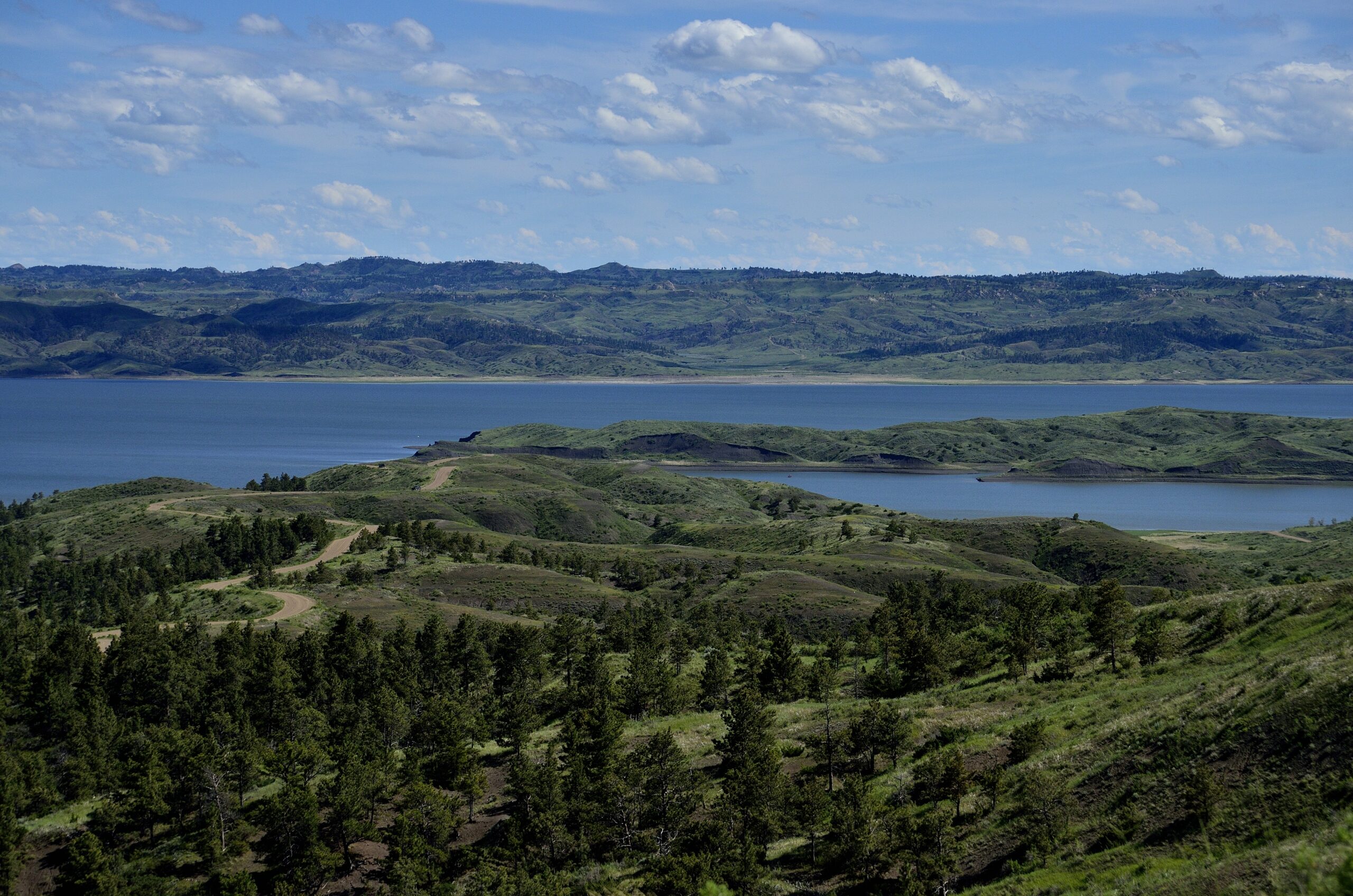
As the manager of nearly a third of all U.S. land, the federal government has substantial influence in the future of our ecosystems and the benefits they provide.
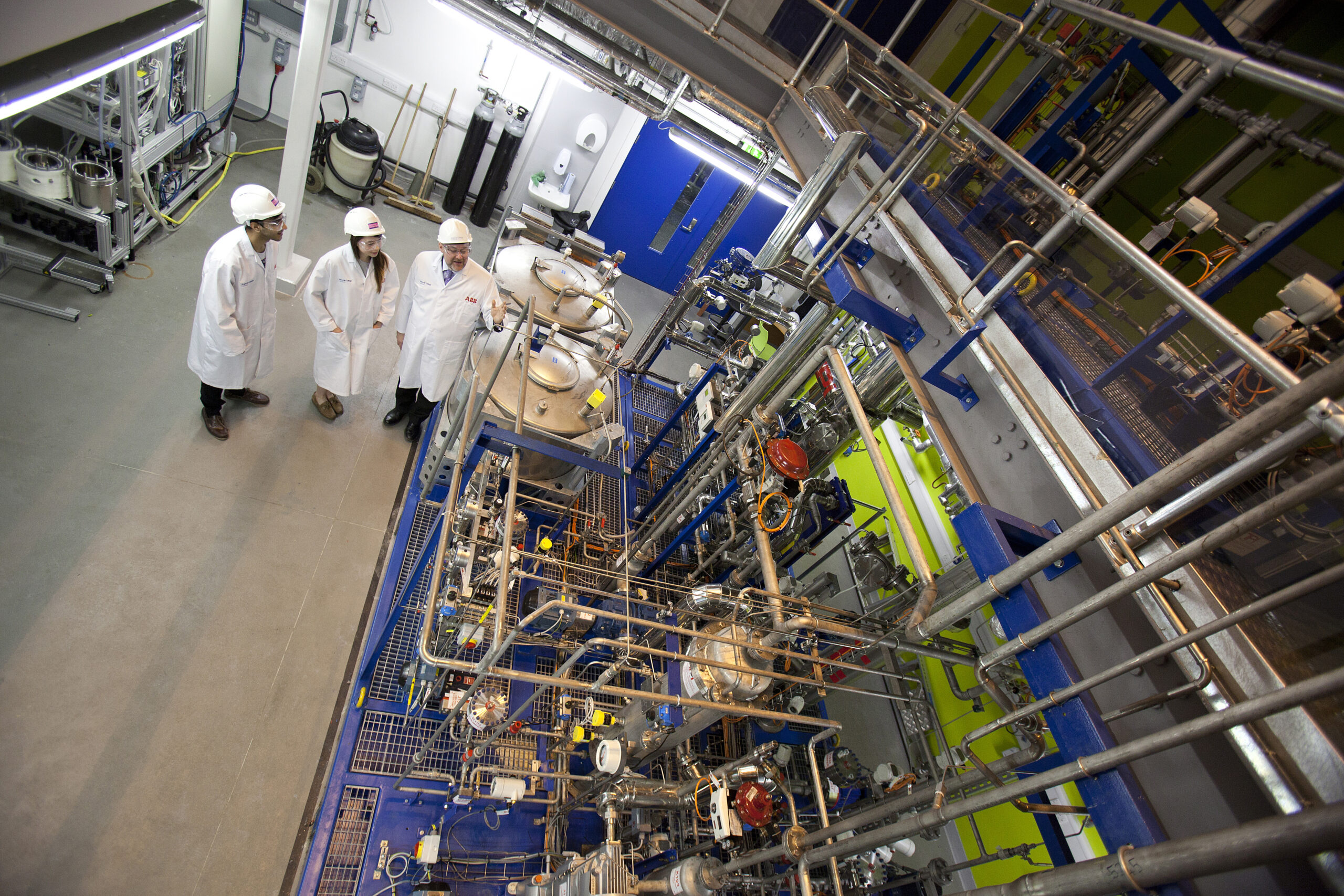
Rapid progress is being made on many of the game-changing technologies needed to achieve climate and environmental goals, both in the United States and around the world.
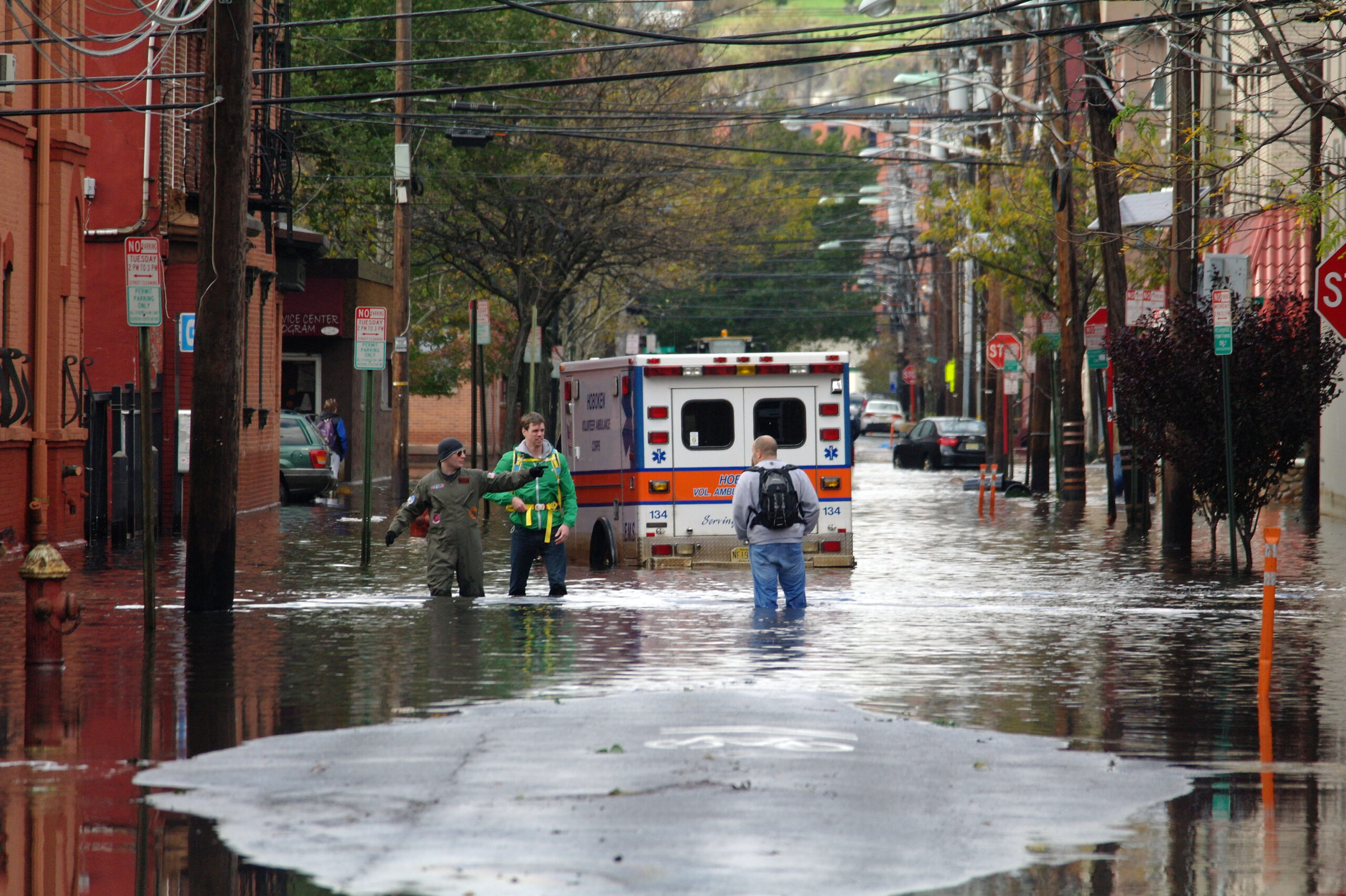
We cannot make America healthy without addressing intersections between health outcomes and climate and environmental issues. State and local officials, healthcare providers, and community leaders recognize the urgent need for strategies that will collectively protect American health and well-being.

Mismatches between the tools we need and the tools we have are particularly apparent in the environmental space. There is a need for creativity and cleverness in how we approach environmental and other types of regulation.
Just as sports fanatics had plenty to celebrate this year, so does the heat policy team at FAS. In response to recent heat events, leaders across the country have taken steps to build heat resilience.
Western states functionally manage trillions in global climate risk (permafrost, forest carbon, etc.) and can do so in ways that drive state economic development.
Implementation will not be easy. Several of the plan’s critical strategies challenge established utility business models.
We won’t solve the cost-of-living crisis without improving the capacity of state public utility commissions to protect customers, find and implement new solutions to meet rising demand, and realign broken utility incentives.