Wildfire
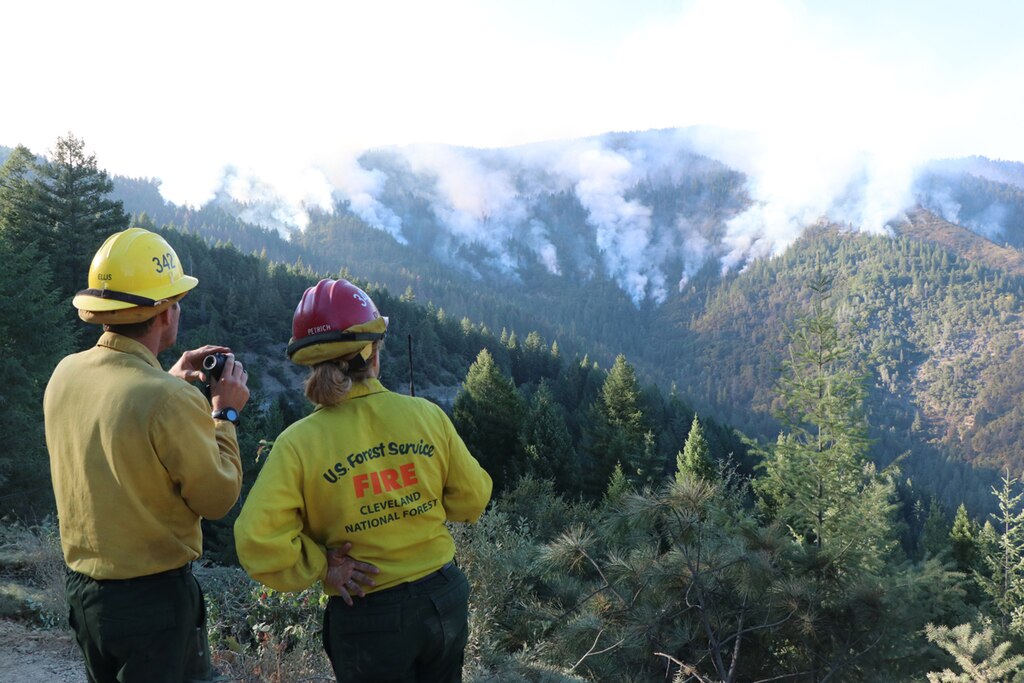
Bad news: the U.S. is experiencing more frequent and intense wildfires. Good news: policy informed by science, evidence, and Indigenous perspectives can lessen the disastrous effects.
Despite growing federal spending on suppression, wildfires continue to grow in size and severity in the United States. Science, data, technology, and talent have huge potential to enhance proactive wildland fire management and empower communities to prepare for, respond to, and recover from wildfires. Our team is working to build a more fire-resilient nation through policy development and analysis, fellowships, and issue education. Learn more about our work below.
We sat down with Dr. Max Moritz and Chief Rob Hazard to discuss how communities use time, money, and data to reduce the risk that wildfires pose.
The Federation of American Scientists supports the Wildfire Emissions Prevention Act of 2026 (WEPA). The Act would amend Section 319(b) of the Clean Air Act so that it addresses prescribed burns as a standalone activity. If passed, this bill would support wildfire resilience by reducing administrative barriers to getting needed prescribed burns on the ground. […]
From California to New Jersey, wildfires are taking a toll—costing the United States up to $424 billion annually and displacing tens of thousands of people. Congress needs solutions.
This year’s Red Sky Summit was an opportunity to further consider what the role of fire tech can and should be – and how public policy can support its development, scaling, and application.
Environmental policy,
Land management,
Regulatory policy
Resilient Communities,
Extreme Weather,
Inclusive Innovation & Technology