Nuclear Notebook: Nuclear Weapons Sharing, 2023
The FAS Nuclear Notebook is one of the most widely sourced reference materials worldwide for reliable information about the status of nuclear weapons and has been published in the Bulletin of the Atomic Scientists since 1987. The Nuclear Notebook is researched and written by the staff of the Federation of American Scientists’ Nuclear Information Project: Director Hans M. Kristensen, Senior Research Fellow Matt Korda, Research Associate Eliana Johns, and Scoville Peace Fellow Mackenzie Knight.
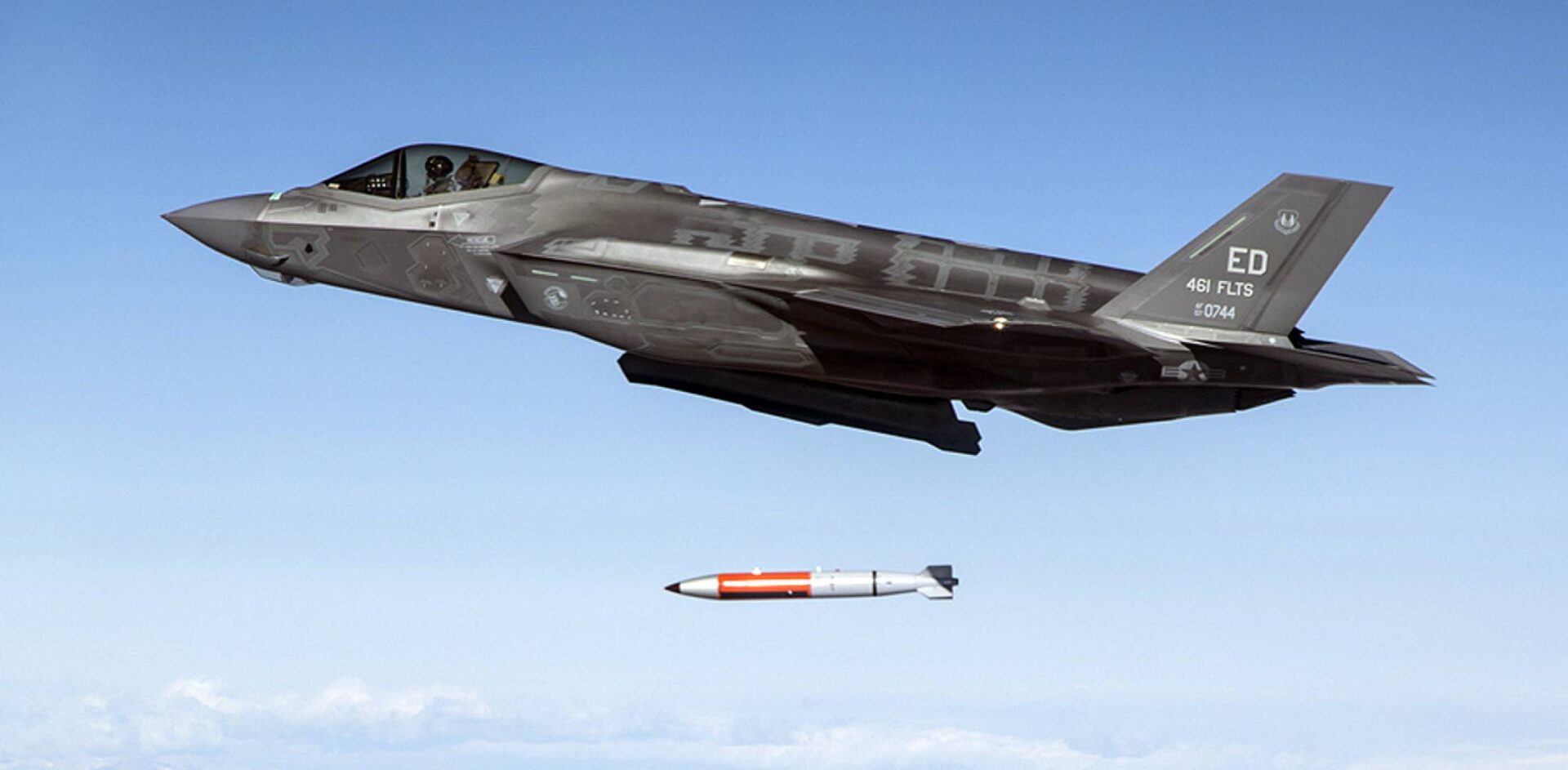
This issue’s column examines the current state of global nuclear sharing arrangements, which include non-nuclear countries that possess nuclear-capable delivery systems for employment of a nuclear-armed state’s nuclear weapons.
Read the full “Nuclear weapons sharing, 2023” Nuclear Notebook in the Bulletin of the Atomic Scientists, or download a PDF using the button on the left side of this page. The complete archive of FAS Nuclear Notebooks can be found here.
This research was carried out with generous contributions from the New-Land Foundation, Ploughshares Fund, the Prospect Hill Foundation, Longview Philanthropy, and individual donors.
It is difficult to assess from photos whether the Sentinel missile is longer or wider overall than the Minuteman, but the Sentinel clearly has a thicker second stage, which could potentially contribute to the missile’s extended range.
This is not the first time Google has agreed to censor imagery at the behest of governments, but be warned: obfuscation at this broad level poses a direct threat to the public’s ability to monitor and scrutinize government operations.
As humans expand our geographic reach, encroach on untouched natural territories, and interact more with animal populations, we will encounter novel zoonotic diseases that threaten the human body. The sooner we act to address these risks, the better.
“One thing became increasingly clear: AI doesn’t simply introduce a new category of risk. It changes the speed, scale, complexity, and interaction of risks that already exist.”