In the summer of 2025, the Federation of American Scientists will host a first-of-its-kind bootcamp to communicate and pass on its practices to the next generation of open-source nuclear analysts. This bootcamp, generously funded by the Carnegie Corporation of New York, aims to help lower the barriers to entry into this field, democratize open-source research practices, and foster a collegial community of experts among successive cohorts. Learn more about this opportunity and apply here.
Our Global Risk team focuses on addressing and preventing the events and threats that could permanently cripple or destroy humanity. Among them: nuclear war, the next global pandemic, biological attack, and even a collision with a massive near-earth object. Humanity must proactively develop and pursue sound policies to protect against these dangers, including through global cooperation.
It is difficult to assess from photos whether the Sentinel missile is longer or wider overall than the Minuteman, but the Sentinel clearly has a thicker second stage, which could potentially contribute to the missile’s extended range.
This is not the first time Google has agreed to censor imagery at the behest of governments, but be warned: obfuscation at this broad level poses a direct threat to the public’s ability to monitor and scrutinize government operations.
As humans expand our geographic reach, encroach on untouched natural territories, and interact more with animal populations, we will encounter novel zoonotic diseases that threaten the human body. The sooner we act to address these risks, the better.
“One thing became increasingly clear: AI doesn’t simply introduce a new category of risk. It changes the speed, scale, complexity, and interaction of risks that already exist.”
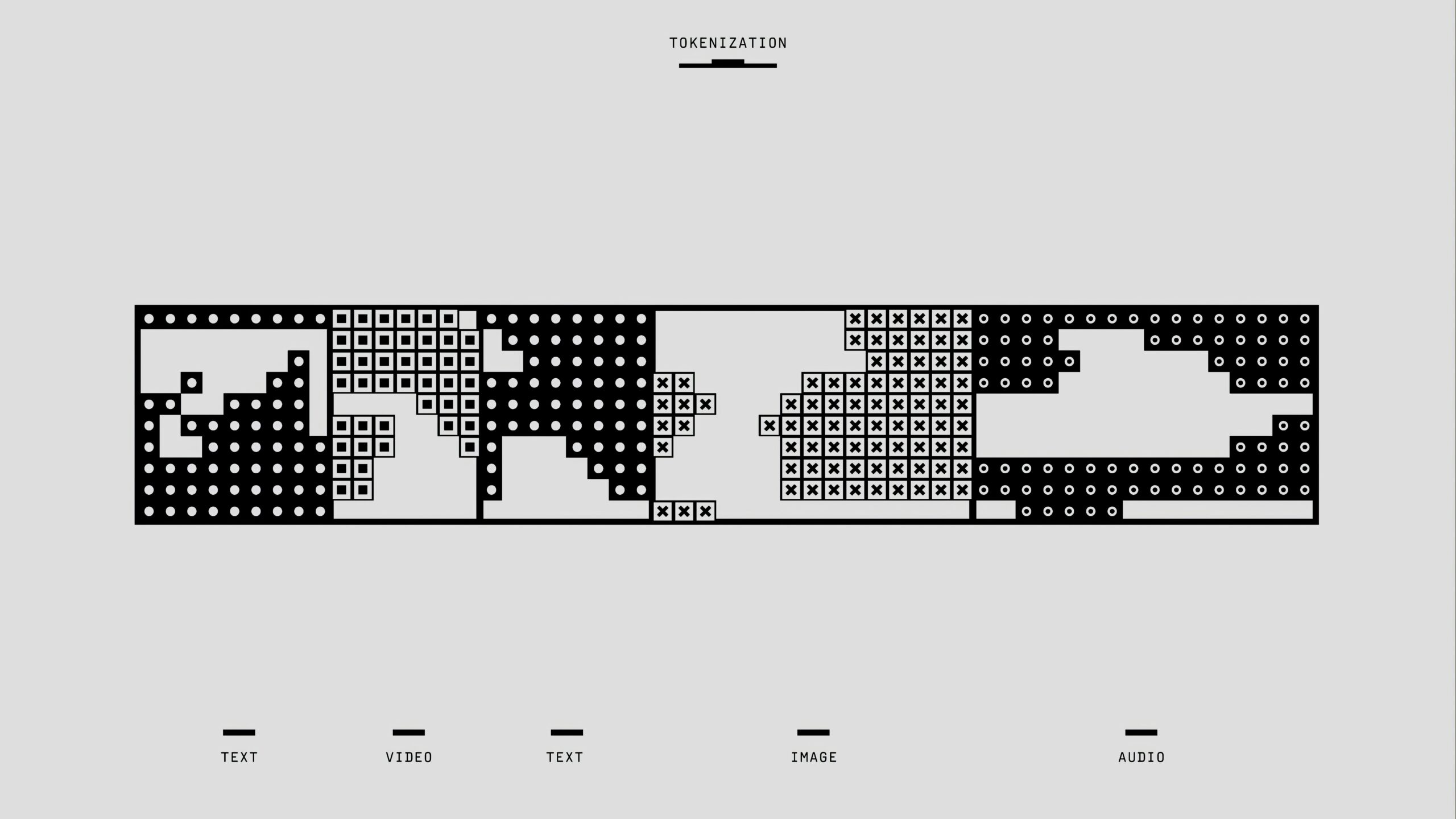
The AI x Global Risk Nexus Project assesses the risks associated with integrating and Artificial Intelligence into existing areas of global risk.
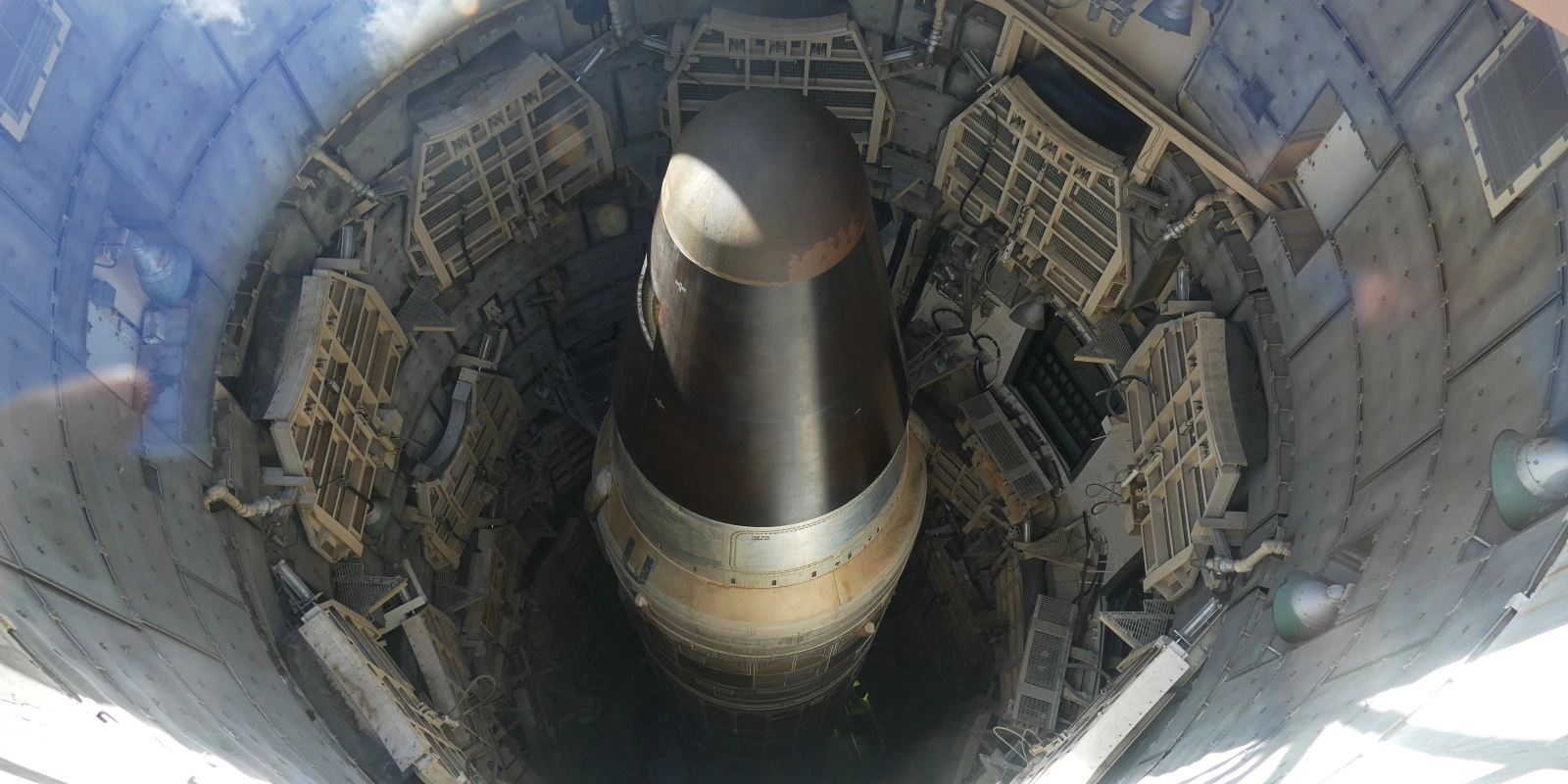
The Nuclear Information Project provides the public with reliable information about the status and trends of the nuclear weapons arsenals of the world’s nuclear-armed countries.