FAS Introduces Fall 2020 Scoville Fellow
The Federation of American Scientists is pleased to introduce Fall 2020 Scoville Fellow, Ishan Sharma. The Herbert Scoville Jr. Peace Fellowship, established in 1987, is a highly-competitive national program that provides recent college and graduate school alumni with the opportunity to work on key issues of peace and security in Washington, D.C.
Ishan will be working on issues at the intersection of emerging technologies and international security, as well as global biosecurity. From artificial intelligence, surveillance, Internet governance, and China-US cyber strategies, his wide array of interests and skills will be fostered at FAS through various research projects and publications.
“The exponential increase in the power of science and technology brings with it a tremendous amount of good, but also opens the door for certain individuals, non-state actors, and even governments to misuse those advances for nefarious purposes,” said FAS President Ali Nouri. “We are thrilled to have Ishan Sharma from the prestigious Scoville fellowship, working to reduce those risks.” “I don’t know of many recent college graduates that have the privilege of leading their own research and writing projects.” Ishan said about his placement at FAS. “I am looking forward to working closely with FAS staff and leadership team on this exciting project.”
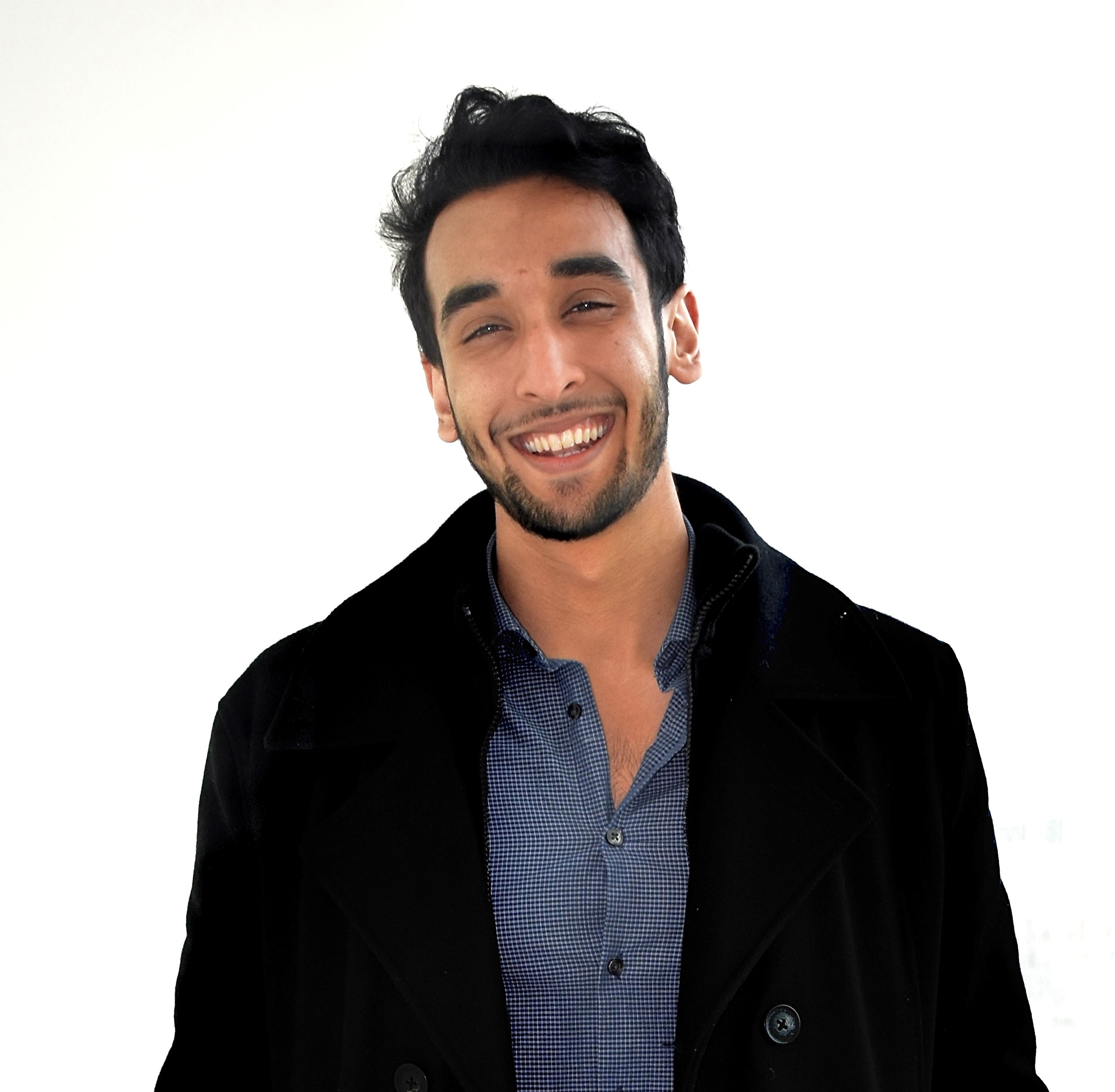
Recently, Ishan won the New America U.S. Security Policy essay contest, for his proposal that counters digital authoritarianism by imagining a liberal-democratic model of AI surveillance. The article, which will be published soon, is best summarized by Ishan himself:
“AI surveillance is a technology that isn’t going away anytime soon. Bans are a temporary fix, and in the meantime, China is exporting the technology across the world to empower digital authoritarians to crush dissent. It is incumbent upon the U.S.—the world’s technological powerhouse–not only to produce cutting-edge tech but to work with our allies to design global models for ethical use. And it starts on our home turf.”
Former Scoville Fellows have gone on to pursue graduate degrees in international relations and related fields and have taken prominent positions in peace and security with public-interest organizations, the federal government, academia, and more. To date, 193 fellowships have been awarded.
###
It is difficult to assess from photos whether the Sentinel missile is longer or wider overall than the Minuteman, but the Sentinel clearly has a thicker second stage, which could potentially contribute to the missile’s extended range.
This is not the first time Google has agreed to censor imagery at the behest of governments, but be warned: obfuscation at this broad level poses a direct threat to the public’s ability to monitor and scrutinize government operations.
As humans expand our geographic reach, encroach on untouched natural territories, and interact more with animal populations, we will encounter novel zoonotic diseases that threaten the human body. The sooner we act to address these risks, the better.
“One thing became increasingly clear: AI doesn’t simply introduce a new category of risk. It changes the speed, scale, complexity, and interaction of risks that already exist.”