Revitalizing and Leading FAS: 1970-2000
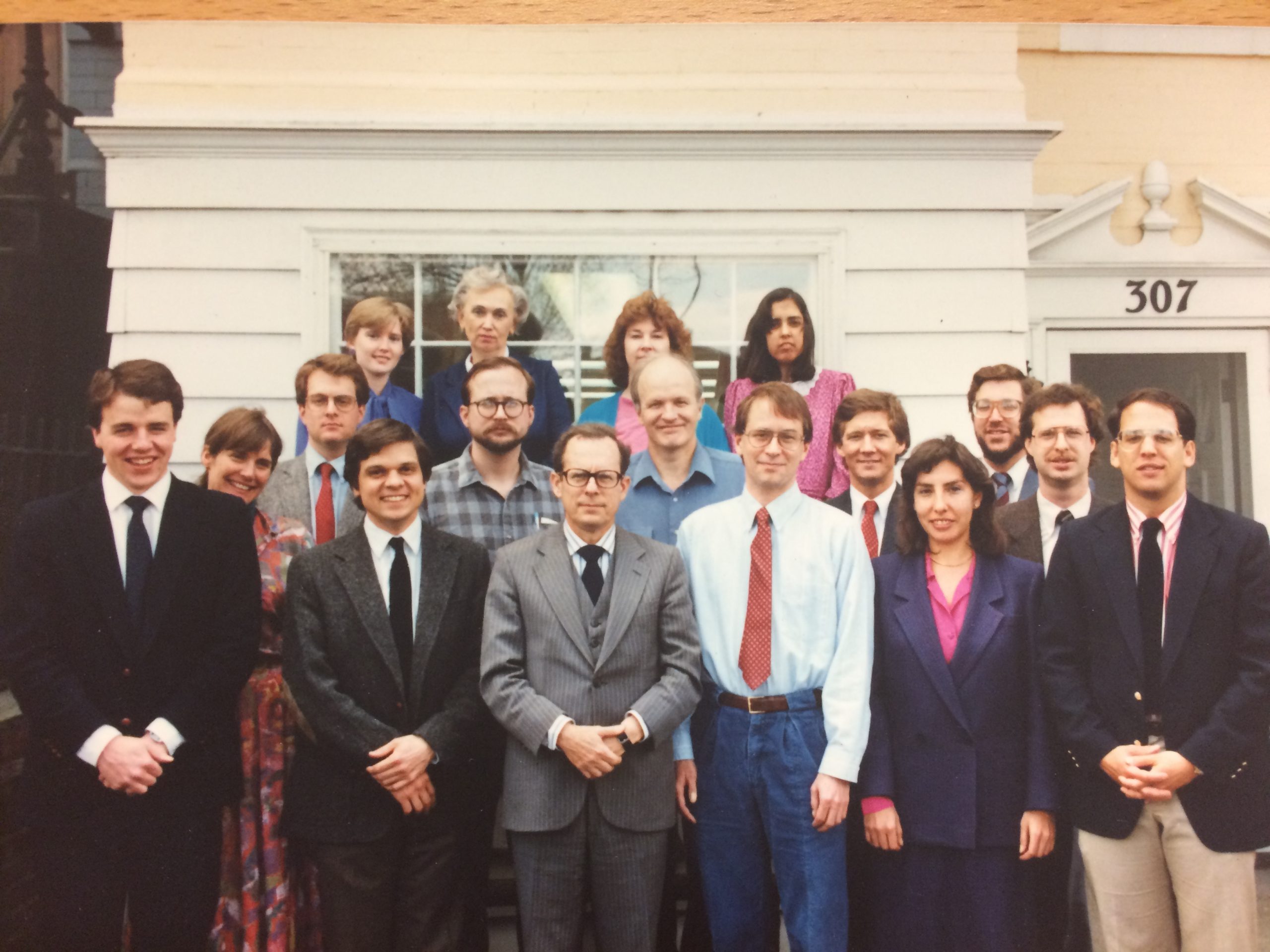
“When, in 1970, I descended from the FAS Executive Committee to become the chief executive officer, FAS had 1,000 members and an annual budget of $7,000 per year. The organization was very near death. During my 30 year tenure, FAS became a famous, creative, and productive organization….”
As humans expand our geographic reach, encroach on untouched natural territories, and interact more with animal populations, we will encounter novel zoonotic diseases that threaten the human body. The sooner we act to address these risks, the better.
“One thing became increasingly clear: AI doesn’t simply introduce a new category of risk. It changes the speed, scale, complexity, and interaction of risks that already exist.”
In the current environment of declining trust and magnifying strategic competition, banning debris-creating tests is a concrete step towards stability that favors interests of all states seeking to conduct space activities.
Google’s motto famously used to be “don’t be evil.” However, its latest feature has just made being evil a whole lot easier.