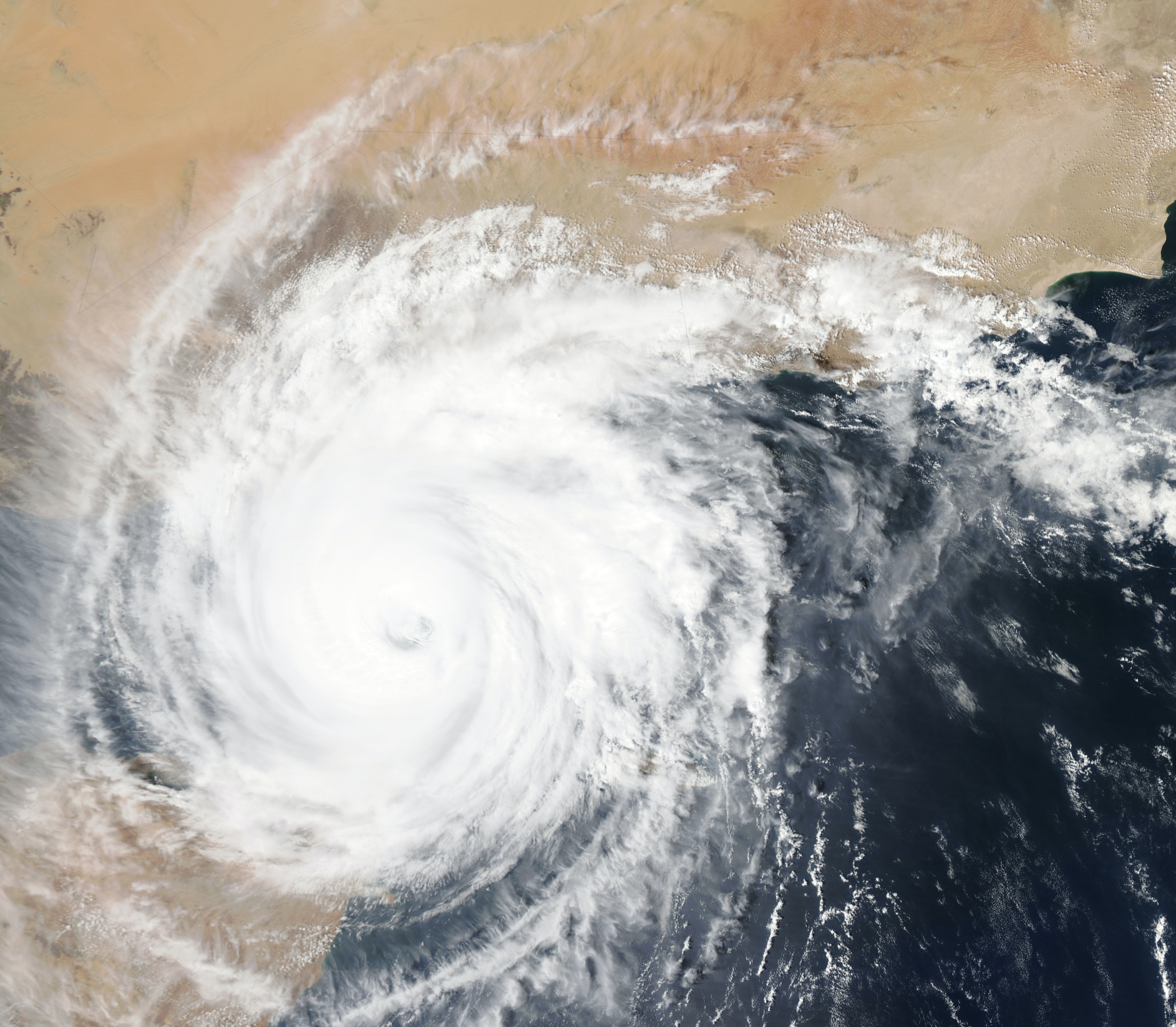
Disrupting Vulnerability Traps and Catalyzing Community Resilience
Summary
The United States needs to radically enhance its efforts to build community disaster resilience. The frequency and cost of billion-dollar weather and climate disasters have increased significantly over the past decade. According to the National Oceanic and Atmospheric Agency’s estimates, the direct costs of disasters between 2018 and 2019 amounted to over $136 billion. And 2017 Hurricanes Harvey, Irma, and Maria resulted in over $265 billion in damage and displaced many communities. Moreover, accelerated urbanization and climate change continue to exacerbate communities’ vulnerability to climate disasters, rendering the current disaster mitigation, recovery, and emergency response policies untenable in the near future.
Resilience has served as an organizing principle for policymakers, first responders, and businesses in marshalling resources to reduce community vulnerability, stimulate recovery, and ensure reliable access to critical services (e.g., energy, water, shelter, food, health, ecosystems services and mobility) in the aftermath of climate disasters. However, the current set of reactive disaster recovery efforts and resilience policies have proven to be inefficient and costly, contributing to the widening of the `climate gap’ and entrenching vulnerability traps, particularly among marginalized and disadvantaged communities.
The Biden-Harris Administration should invest in information technology, data transparency and convergence research to build data-enabled predictive capabilities that anticipate shifts in communities’ demand for critical services under compound climate disasters, and inform effective resource allocation to equitably mitigate the impacts of climate change. These investments will not only enhance stewardship of taxpayer dollars, create jobs and bolster the economy, but will also shrink the rapidly widening climate gap and save lives.
America’s affordability problem is bigger than home prices and rents. The best housing policies make it easier to build homes, and recognize how housing connects to other domains.
America’s affordability problem, for instance, is bigger than home prices and rents. How we build affects household costs like insurance and utilities.
FAS has partnered with ICLEI USA to launch the CRI Local Advisory Council.
We sat down with Dr. Max Moritz and Chief Rob Hazard to discuss how communities use time, money, and data to reduce the risk that wildfires pose.