Making the Trade Adjustment Assistance Program Work for the New Economy
Summary
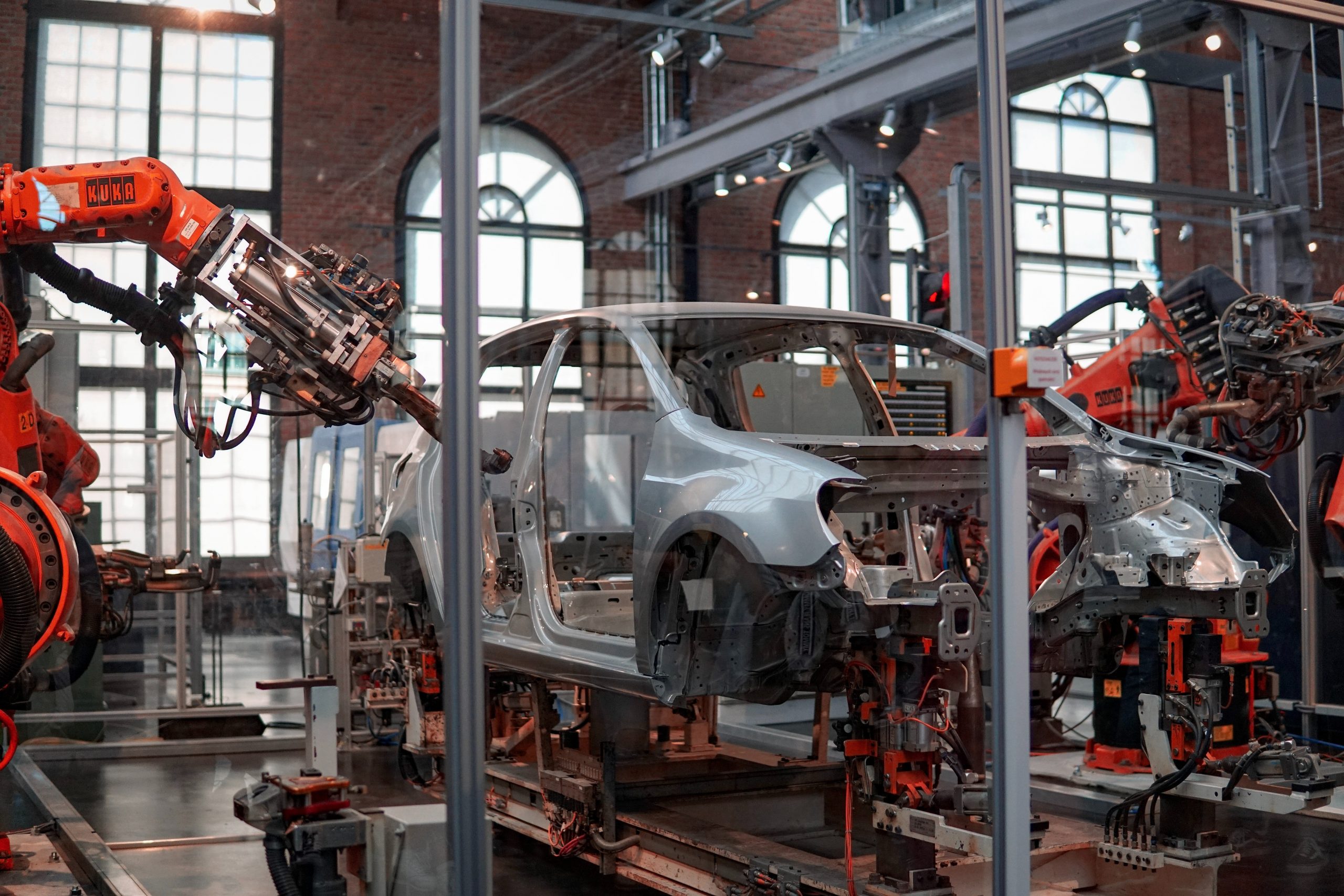
Existing technology could automate nearly half of all work activities today. As society continues to embrace artificial intelligence (AI), robotics, and automation, companies will need fewer workers or workers with new skills, leading to displacement. The government must assist the American workforce with acquiring skills demanded by the modern workplace and support workers in transitioning to the new economy. To do so, the Biden-Harris administration should push Congress to evolve the Trade Adjustment Assistance (TAA) program into the Trade and Technology Adjustment Assistance program (TTAA) to help workers displaced not just by trade but also by advancements in emerging technologies, such as AI and robotics.
The expanded TAA program should include (1) a centralized administrative infrastructure, (2) a cutting-edge and comprehensive upskilling platform, and (3) “rainy day” funds for temporary worker assistance. The comprehensive upskilling platform, in particular, sets the proposal outlined in this memo apart from other proposals to update TAA, such as the TAA for Automation Act of 2019. The TAA for Automation Act aims to include workers displaced by automation as a group eligible for TAA services. TTAA proposed herein goes further, seeking to rethink TAA’s upskilling and training component from the ground up.
Soft law was never meant to be a permanent solution. Treating it as one, and letting the sandcastle stand in for the skyscraper indefinitely, is how we end up with a decade of voluntary commitments and no enforceable accountability to show for it.
Jobseekers, employees at smaller organizations, and local public workers need more than a weekend crash course in AI. They need practice choosing useful tasks, protecting data, testing outputs, and explaining where human judgment remains necessary.
“What excites me is that it’s very tempting to be very discouraged, and say, ‘Oh, we’ve got these archaic institutions that are calcified and you could never change them.’ But I think we’re in the middle of a technological revolution that will upend lots of things, and does provide a window.”
As Congress considers broader packages to advance critical minerals production and supply chain resilience, science diplomacy vehicles must be part of that conversation, not as an afterthought, but as an intentional and foundational pillar of any strategy.