Soldiers need to be able to communicate on a noisy, dangerous battlefield even when conventional means of communication are unavailable.
To help meet that need, the US Army has just updated its compilation of hand and flag signals.
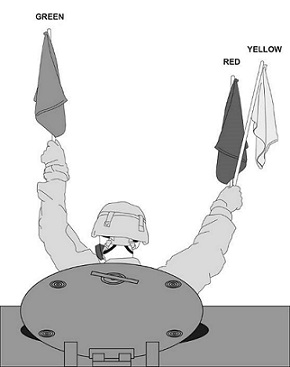
One configuration of flags signifies “Chemical, biological, radiological, and nuclear hazard present”:
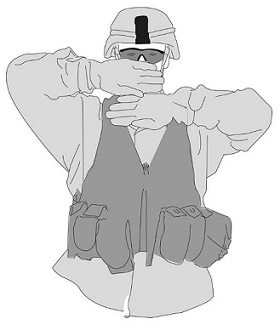
Or a soldier may need to signal “I do not understand,” as follows:
See Visual Signals for Armor Fighting Vehicles (Combined Arms), GTA 17-02-019, US Army, February 2018.
America’s affordability problem is bigger than home prices and rents. The best housing policies make it easier to build homes, and recognize how housing connects to other domains.
America’s affordability problem, for instance, is bigger than home prices and rents. How we build affects household costs like insurance and utilities.
As humans expand our geographic reach, encroach on untouched natural territories, and interact more with animal populations, we will encounter novel zoonotic diseases that threaten the human body. The sooner we act to address these risks, the better.
This report serves as a landscape assessment and toolbox from which local governments can negotiate an informed position when it comes to the levers available to them and includes a first-of-its kind analysis of eight executed community benefits agreements.