The Lunar and Asteroid Task Force Initiative
Summary
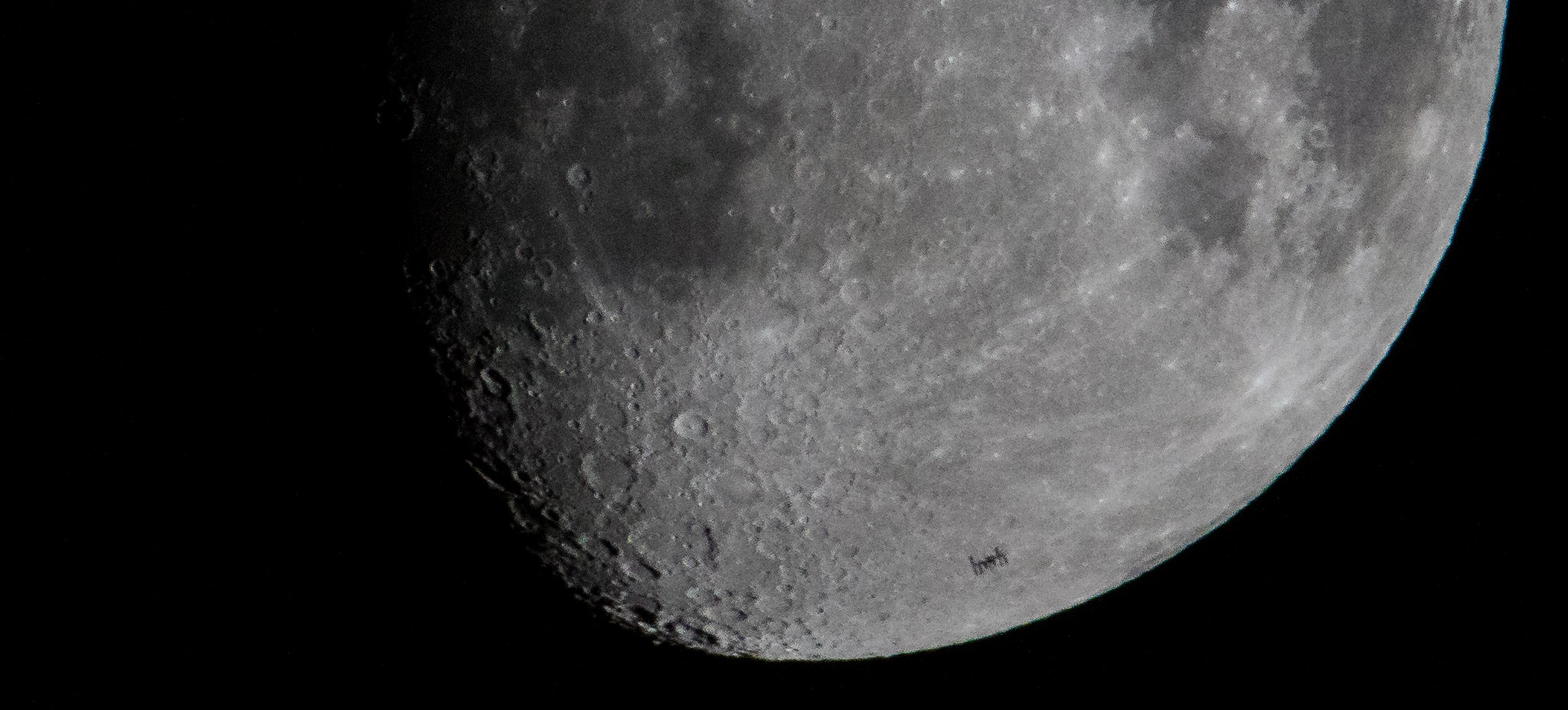
The next administration should launch a task force within the Office of Space Commerce to promote and achieve U.S. private space exploration on the Moon and on asteroids. This task force would encourage space civilianization on the Moon’s surface and foster international collaboration around orbital debris removal.
A dedicated task force to assist private companies moving into the nascent lunar exploration and mining sector—similar to NASA’s current Space Act Agreements and launch contracts—would help establish U.S. presence on the lunar surface and stimulate a U.S. space economy. State actors have been working on lunar technology, and it is imperative that we respond to their imminent presence on the Moon. The Federal Government, led by the White House and executed by the Office of Space Commerce, should undertake a comprehensive agenda and allocate federal funding for a new Lunar and Asteroid Task Force.
It is difficult to assess from photos whether the Sentinel missile is longer or wider overall than the Minuteman, but the Sentinel clearly has a thicker second stage, which could potentially contribute to the missile’s extended range.
This is not the first time Google has agreed to censor imagery at the behest of governments, but be warned: obfuscation at this broad level poses a direct threat to the public’s ability to monitor and scrutinize government operations.
As humans expand our geographic reach, encroach on untouched natural territories, and interact more with animal populations, we will encounter novel zoonotic diseases that threaten the human body. The sooner we act to address these risks, the better.
“One thing became increasingly clear: AI doesn’t simply introduce a new category of risk. It changes the speed, scale, complexity, and interaction of risks that already exist.”