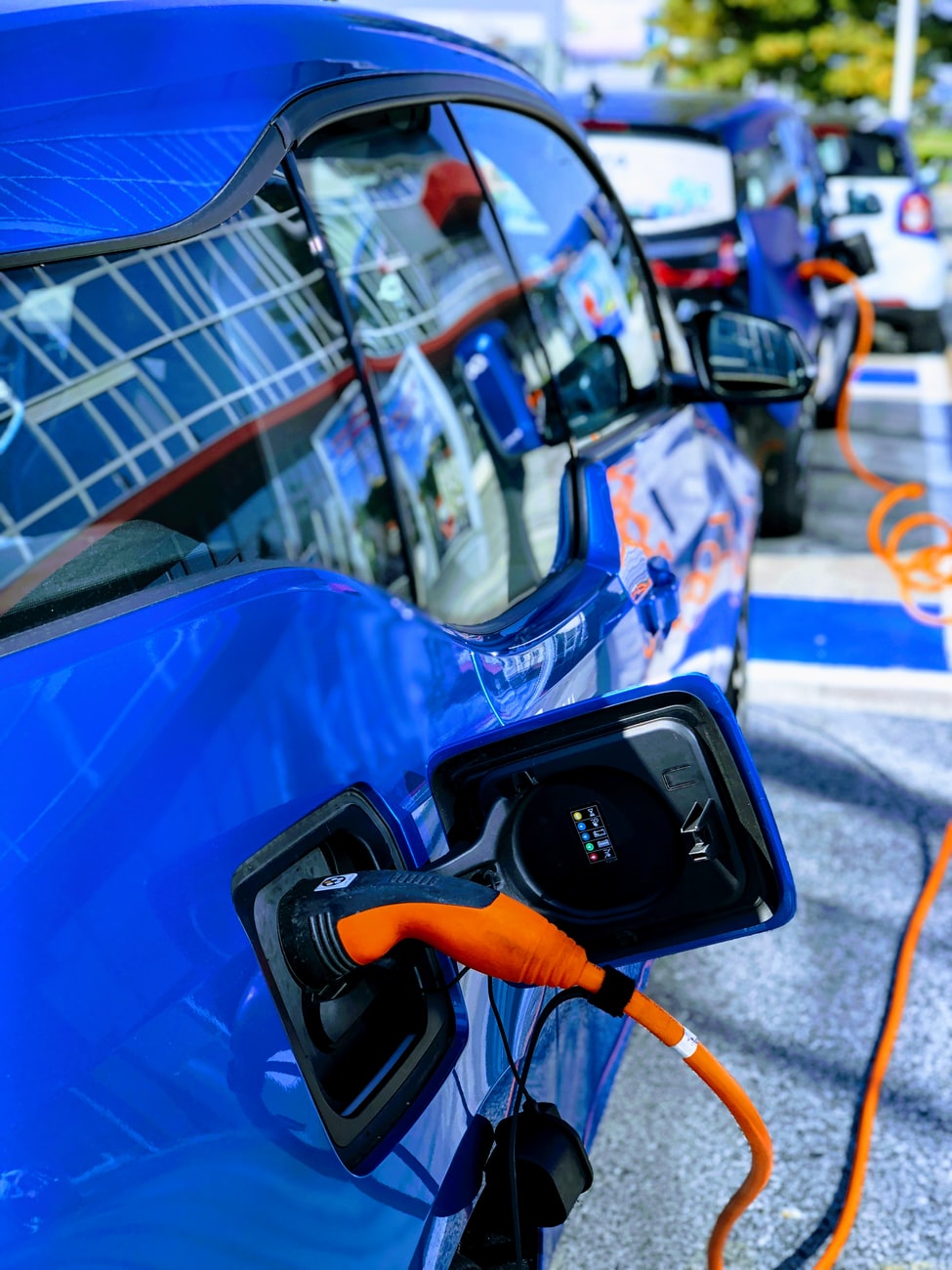
Leading the Way: A National Task Force on Connected Vehicles
Summary
By bringing wireless communications technology to cars and trucks, we could prevent hundreds of thousands of car crashes every year, saving many lives. We could also reduce commute times, fuel consumption, air pollution and greenhouse gas emissions, and the cost of mobile Internet access. In the longer term, deployment of connected vehicle technology can lay groundwork for better autonomous (self-driving) vehicles. In 2021, the Federal Government should establish a task force to develop a coherent vision through open and inclusive processes, and provide leadership to achieve that vision.
Note: As a working paper, this draft is still under development. The author invites your feedback and comments, which can be sent to info@dayoneproject.org.
AI’s high-stakes outputs directly shape American economic, industrial, and technological outcomes. They must not be accepted entirely on the basis of institutional faith rather than verifiable evidence.
The clearinghouse will also neutrally mediate the assignment of auditors to audits—strengthening independence, trust, and ethical governance across the AI ecosystem.
Soft law was never meant to be a permanent solution. Treating it as one, and letting the sandcastle stand in for the skyscraper indefinitely, is how we end up with a decade of voluntary commitments and no enforceable accountability to show for it.
Jobseekers, employees at smaller organizations, and local public workers need more than a weekend crash course in AI. They need practice choosing useful tasks, protecting data, testing outputs, and explaining where human judgment remains necessary.