
In the summer of 2025, the Federation of American Scientists will host a first-of-its-kind bootcamp to communicate and pass on its practices to the next generation of open-source nuclear analysts. This bootcamp, generously funded by the Carnegie Corporation of New York, aims to help lower the barriers to entry into this field, democratize open-source research practices, and foster a collegial community of experts among successive cohorts. Learn more about this opportunity and apply here.
Our Global Risk team focuses on addressing and preventing the events and threats that could permanently cripple or destroy humanity. Among them: nuclear war, the next global pandemic, biological attack, and even a collision with a massive near-earth object. Humanity must proactively develop and pursue sound policies to protect against these dangers, including through global cooperation.
The last remaining agreement limiting U.S. and Russian nuclear weapons has now expired. For the first time since 1972, there is no treaty-bound cap on strategic nuclear weapons.
The Pentagon’s new report provides additional context and useful perspectives on events in China that took place over the past year.
Successful NC3 modernization must do more than update hardware and software: it must integrate emerging technologies in ways that enhance resilience, ensure meaningful human control, and preserve strategic stability.
The FY2026 National Defense Authorization Act (NDAA) paints a picture of a Congress that is working to both protect and accelerate nuclear modernization programs while simultaneously lacking trust in the Pentagon and the Department of Energy to execute them.
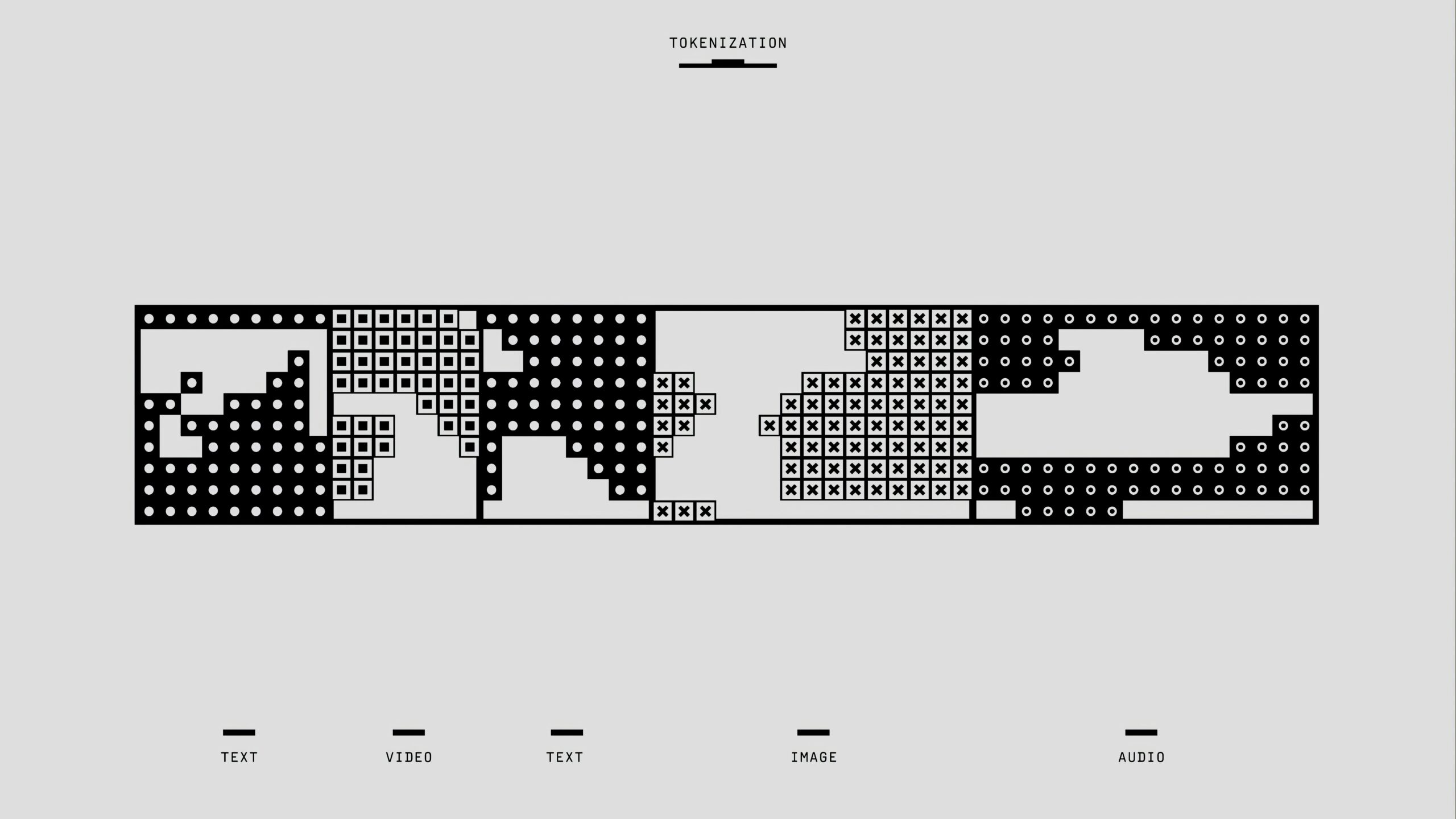
The AI x Global Risk Nexus Project assesses the risks associated with integrating and Artificial Intelligence into existing areas of global risk.
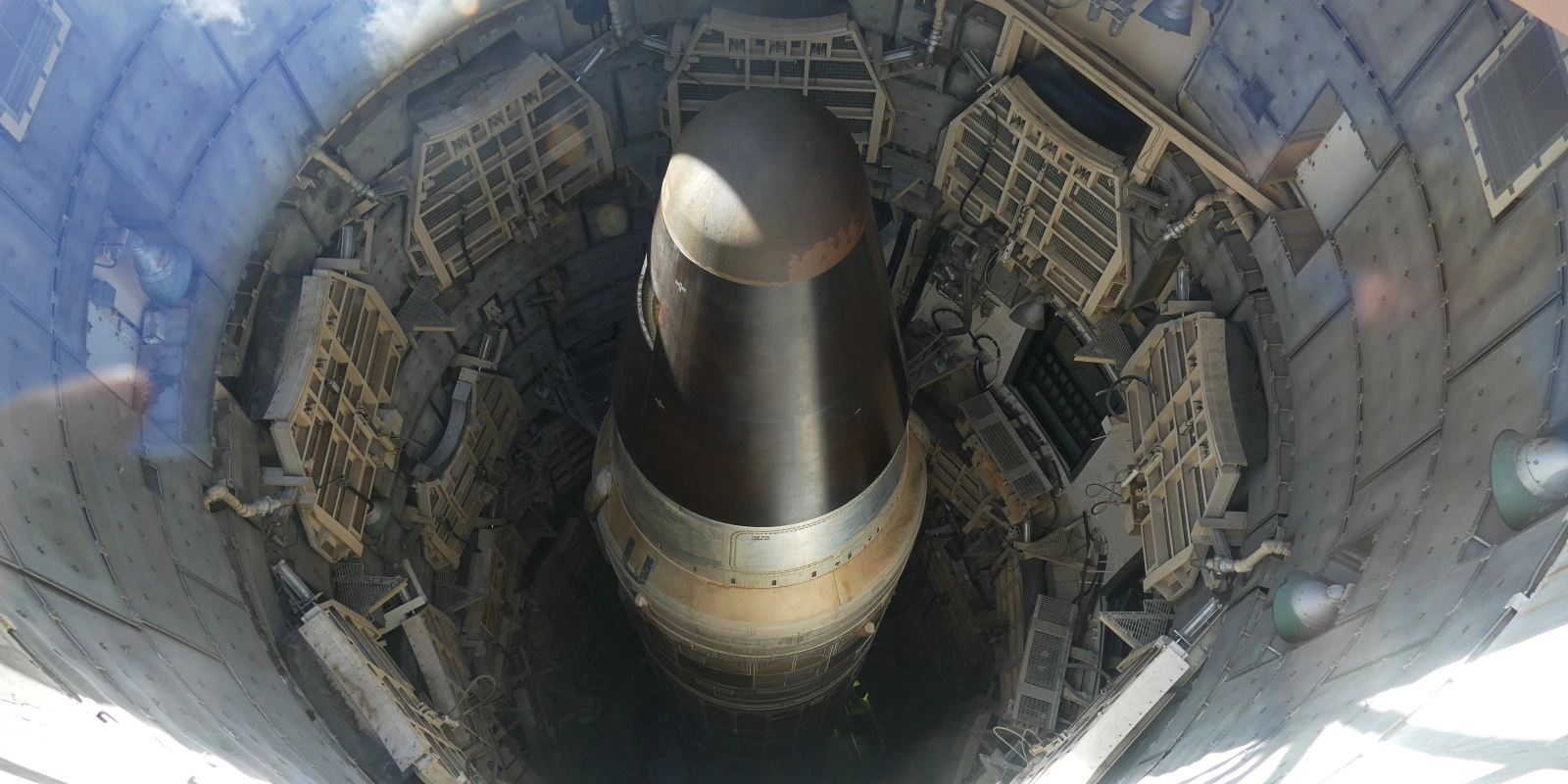
The Nuclear Information Project provides the public with reliable information about the status and trends of the nuclear weapons arsenals of the world’s nuclear-armed countries.