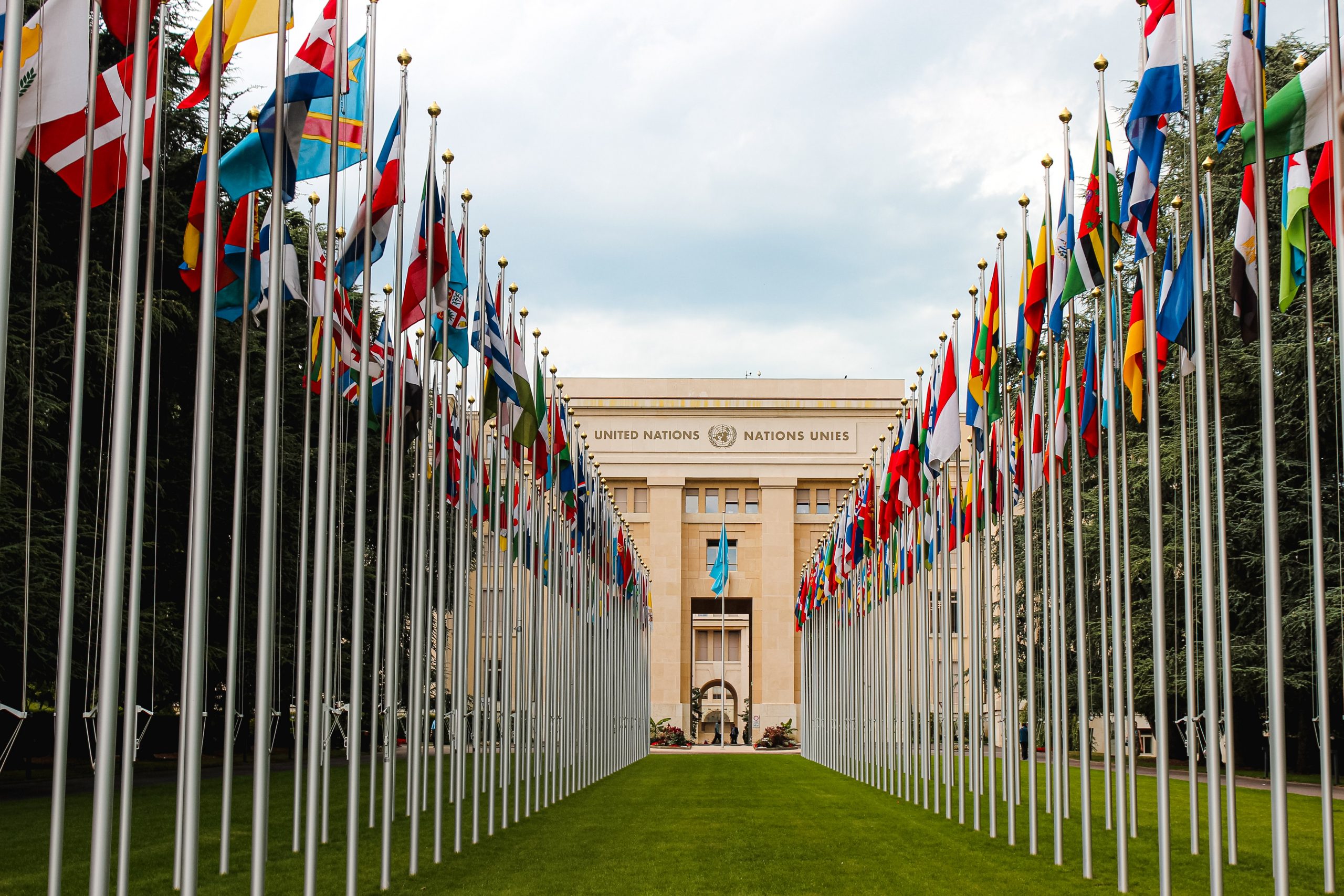
Strengthening U.S. Engagement in International Standards Bodies
Summary
Technical standards underpin the functioning of digital devices central to everyday life. What might, at first glance, seem to be a wonky, technical process for figuring out things like how to ensure mobile devices can all connect to the same network, has emerged as an arena of geopolitical competition. Standards confers first-mover advantages on the companies that propose them and economic benefits on countries, and they implicate values like privacy. China has aggressively sought to promote its technical standards by encouraging Chinese representatives to assume leadership roles in standards bodies, financially rewarding companies that propose technical standards, coercing Chinese firms to vote as a bloc within standards bodies, and working to shape the standards landscape to its advantage.
In light of the growing recognition of the strategic importance of technical standards, the March 2020 report from the U.S. Cyberspace Solarium Commission (CSC) recommended that the United States “engage actively and effectively in forums setting international information and communications technology standards.” In a similar vein, the FY2021 National Defense Authorization Act (NDAA) included a provision tasking the Departments of State and Commerce and the Federal Communications Commission (FCC) with considering how to advance U.S. representation in international standards bodies. This paper expands on the CSC’s recommendation and proposes concrete actions to be taken in support of the aims outlined in the FY2021 NDAA. In brief, the U.S. federal government should:
- Direct and organize departments and agencies to better coordinate input to (and participation in) international standards bodies;
- Work with like-minded countries to advance technically sound standards proposals that preserve the free, open, and interoperable nature of the ICT ecosystem;
- Facilitate a public-private partnership to encourage and support greater participation of U.S. companies in international standards bodies; and
- Seek transparency reforms within international standards bodies and advocate for “cooling-off periods” that prevent former government officials (from any country) from taking on leadership roles in standards bodies for a specified period of time following government service.
AI’s high-stakes outputs directly shape American economic, industrial, and technological outcomes. They must not be accepted entirely on the basis of institutional faith rather than verifiable evidence.
The clearinghouse will also neutrally mediate the assignment of auditors to audits—strengthening independence, trust, and ethical governance across the AI ecosystem.
Soft law was never meant to be a permanent solution. Treating it as one, and letting the sandcastle stand in for the skyscraper indefinitely, is how we end up with a decade of voluntary commitments and no enforceable accountability to show for it.
Jobseekers, employees at smaller organizations, and local public workers need more than a weekend crash course in AI. They need practice choosing useful tasks, protecting data, testing outputs, and explaining where human judgment remains necessary.