The Untold Story of the CHIPS and Science Act
Daniel Goetzel is currently a Practitioner-in-Residence at Harvard Kennedy School’s Reimagining the Economy project. Prior to his work at Harvard, he was Program Director of the National Science Foundation’s Technology, Innovation and Partnerships Directorate. He also authored a Day One policy memo focused on fostering the next generation of small business leaders. The piece that follows is an oral history of the establishment of the NSF’s Regional Innovation Engines Program – a key part of the historic CHIPS and Science Act.
The CHIPS and Science Act was signed into law on August 9, 2022. It was the largest technology and industrial policy program in modern history, investing hundreds of billions of dollars into research, manufacturing, and American competitiveness.
When the government announces flagship programs like this, a bill signing or a ribbon cutting is often all the public sees. They rarely see the quiet, often messy work that goes into creating, passing, and implementing a major piece of legislation. This piece is an attempt to change that by digging into the CHIPS and Science Act and the NSF Regional Innovation Engines (NSF Engines) program.
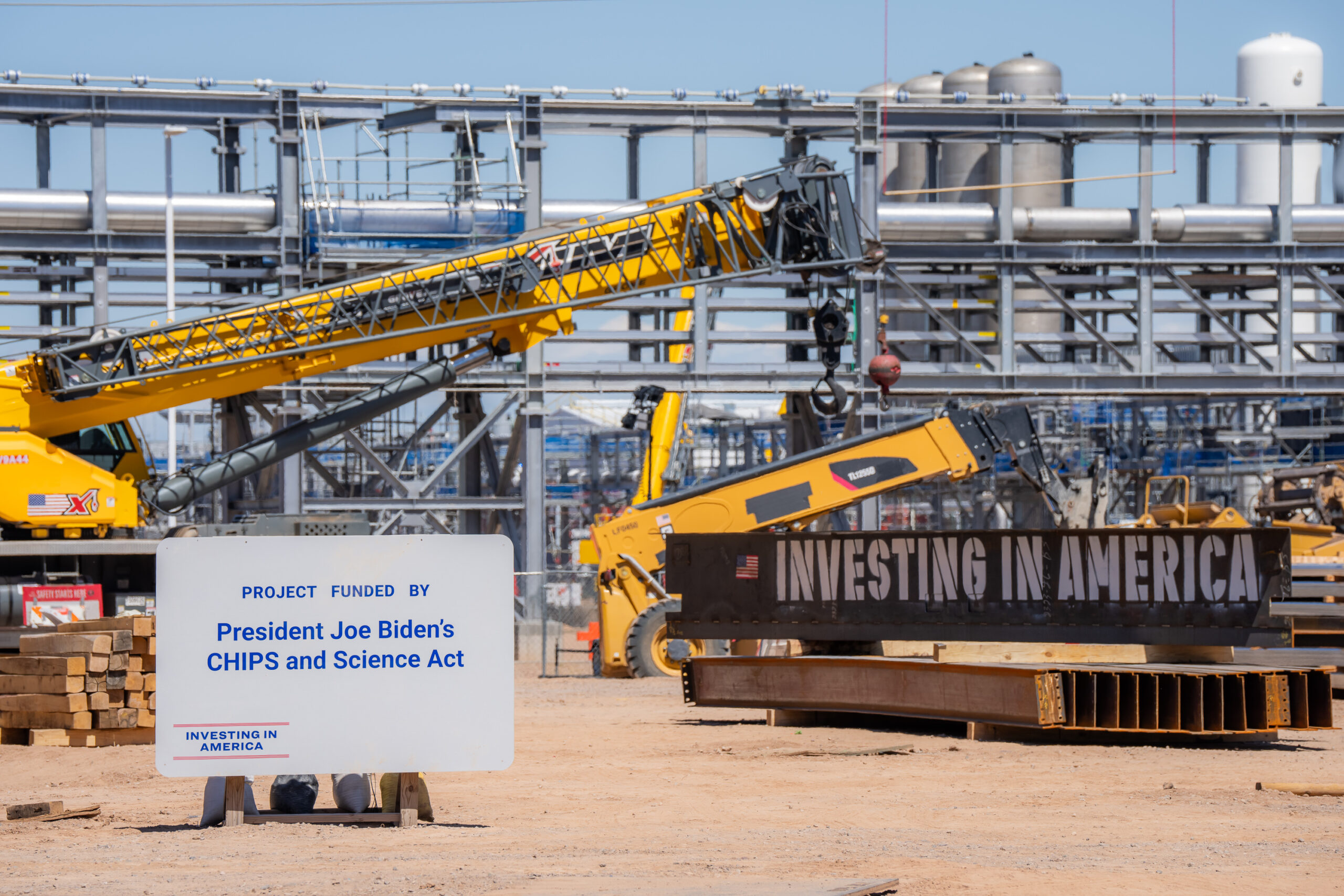
While much of the media coverage and debate around the bill has focused on the multi-billion dollar incentives to large corporations like TSMC, Samsung, and Intel, the CHIPS and Science Act had a complementary focus and multi-billion dollar investment in R&D and economic development, spanning everything from chips and AIto battery storage and biotech. One investment vehicle that came out of the bill was the National Science Foundation’s Regional Innovation Engines, an up to $1.6B program aiming to create the industries of the future in communities that were historically ignored in past tech booms.
Contribute your own story about Regional Innovation Engines here.
Congress should establish a Modeling, Analysis, and Technical Talent for Energy Regulation Hub (MATTER Hub) within the Department of Energy (DOE).
The potential implication of these evidence gaps becomes more consequential when you look at how institutions actually make decisions day to day.
Every new institution inherits something – existing incentives, existing staff, decades of prior investment that shaped what’s possible.
When a hurricane hits, it’s all hands on deck – that goes for federal data, too. Pulling back from our investments in timely, accurate, and accessible public data will only make us less prepared and put us all at greater risk.