Missile Watch – June 2010
Missile Watch
A publication of the FAS Arms Sales Monitoring Project
Vol. 3, Issue 2
June 2010
Editor: Matt Schroeder
Contributing Author: Scoville Fellow Matt Buongiorno
Contents:
Global News: Survey of black market prices for shoulder-fired anti-aircraft missiles reveals large differences in missile prices
Afghanistan: No shoulder-fired anti-aircraft missiles in seized Afghan arms caches, confirms ISAF spokesperson
Egypt: Shoulder-fired missiles found in the Sinai were old, “in very bad condition,” says Egyptian official
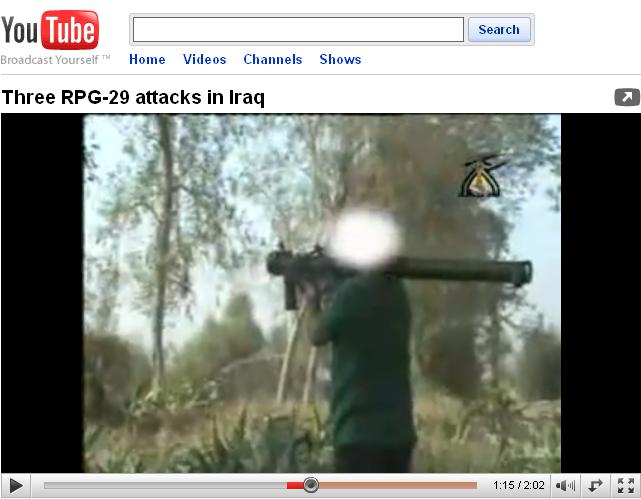
Iraq: Shoulder-fired missile in video of insurgent attack could be Iranian
Iraq: Missile seized in 2008 was a 30-year-old Russian Strela-2M MANPADS, documents reveal
Iraq: At least 27 shoulder-fired anti-aircraft missiles seized from arms caches in Iraq since February
Lebanon: Israeli claim about Igla-S delivery to Hezbollah raises many questions
Peru: U.S. government concerned over reported missile diversion in Peru, but praises investigation
Somalia: Shoulder-fired missile attack at Mogadishu airport foiled by peace-keepers, according to UN report
Additional News & Resources
About Missile Watch
About the Authors
It is difficult to assess from photos whether the Sentinel missile is longer or wider overall than the Minuteman, but the Sentinel clearly has a thicker second stage, which could potentially contribute to the missile’s extended range.
This is not the first time Google has agreed to censor imagery at the behest of governments, but be warned: obfuscation at this broad level poses a direct threat to the public’s ability to monitor and scrutinize government operations.
As humans expand our geographic reach, encroach on untouched natural territories, and interact more with animal populations, we will encounter novel zoonotic diseases that threaten the human body. The sooner we act to address these risks, the better.
“One thing became increasingly clear: AI doesn’t simply introduce a new category of risk. It changes the speed, scale, complexity, and interaction of risks that already exist.”