Advancing U.S. Leadership in Nonproliferation and Nuclear Energy through Effective Partnerships
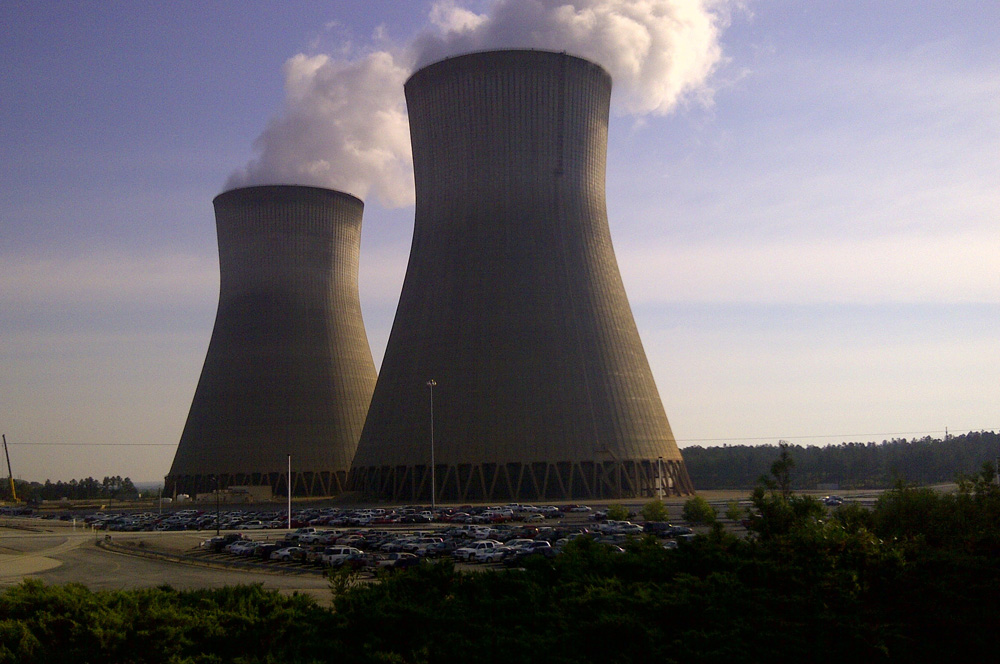
Although the United States still has the largest number of nuclear power plants in the world, it does not dominate global nuclear power. While the United States was the leading nuclear power supplying nation more than thirty years ago—at least for states outside of the Soviet sphere of influence—the reality today is clearly that the U.S. nuclear industry is only one of several major suppliers. The United States can no longer build a large nuclear power plant on its own. Foreign nuclear companies own major U.S. nuclear power companies.
In addition, the United States no longer supplies the majority of the world’s enriched uranium for nuclear fuel; instead, the United States Enrichment Corporation has shut down its enrichment plants based on gaseous diffusion and has been struggling to commercialize the American Centrifuge Project partly due to reduced global demand for enriched uranium and also due to competition from established enrichment companies.
Nonetheless, the United States continues to have great influence on the nuclear market because many of the major supplying nations have built their nuclear power programs on the basis of U.S. technology. In a new issue brief, FAS President Dr. Charles Ferguson takes a look at options for the United States to gain back leadership via a cooperative approach. The brief analyzes what nations could be effective partners for the United States in furthering nonproliferation while providing for the continued use of peaceful nuclear energy. The nuclear industry is increasingly globalized and the United States needs to partner with allies and other nations to advance nonproliferation objectives.
It is difficult to assess from photos whether the Sentinel missile is longer or wider overall than the Minuteman, but the Sentinel clearly has a thicker second stage, which could potentially contribute to the missile’s extended range.
This is not the first time Google has agreed to censor imagery at the behest of governments, but be warned: obfuscation at this broad level poses a direct threat to the public’s ability to monitor and scrutinize government operations.
As humans expand our geographic reach, encroach on untouched natural territories, and interact more with animal populations, we will encounter novel zoonotic diseases that threaten the human body. The sooner we act to address these risks, the better.
“One thing became increasingly clear: AI doesn’t simply introduce a new category of risk. It changes the speed, scale, complexity, and interaction of risks that already exist.”