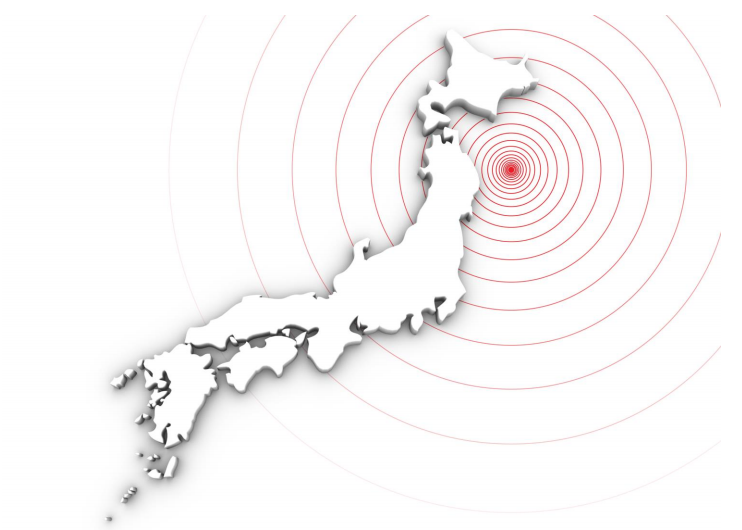
Regulating Japanese Nuclear Power in the Wake of the Fukushima Daiichi Accident
The 2011 accident at the Fukushima Daiichi nuclear power plant was preventable. The Great East Japan earthquake and the tsunami that followed it were unprecedented events in recent history, but they were not altogether unforeseeable. Stronger regulation across the nuclear power industry could have prevented many of the worst outcomes at Fukushima Daiichi and will be needed to prevent future accidents.
In an FAS issue brief, Dr. Charles Ferguson and Mr. Mark Jansson review some of the major problems leading up to the accident and provides an overview of proposed regulatory reforms, including an overhaul of the nuclear regulatory bureaucracy and specific safety requirements which are being considered for implementation in all nuclear power plants.
It is difficult to assess from photos whether the Sentinel missile is longer or wider overall than the Minuteman, but the Sentinel clearly has a thicker second stage, which could potentially contribute to the missile’s extended range.
This is not the first time Google has agreed to censor imagery at the behest of governments, but be warned: obfuscation at this broad level poses a direct threat to the public’s ability to monitor and scrutinize government operations.
As humans expand our geographic reach, encroach on untouched natural territories, and interact more with animal populations, we will encounter novel zoonotic diseases that threaten the human body. The sooner we act to address these risks, the better.
“One thing became increasingly clear: AI doesn’t simply introduce a new category of risk. It changes the speed, scale, complexity, and interaction of risks that already exist.”