Army Program Seeks to Heighten Soldiers’ Cognition
A properly trained soldier can distinguish a vegetarian from a meat-eater based on their smell, a new Army publication says, since “different diets produce different human odors.”
He or she can to determine the age, gender and even the mental state of a target by studying their footprints.
Not simply a warrior, the ideal soldier is also an intelligence analyst, a cultural anthropologist, and a student of human nature with the ability to confront and overcome adversity — Sherlock Holmes and Leatherstocking and a bit of Tarzan, all in one.
That, at any rate, seems to be the goal of the US Army’s Advanced Situational Awareness program, which trains soldiers to discern even subtle anomalies in the combat environment, to swiftly assess their implications, and to act decisively in response.
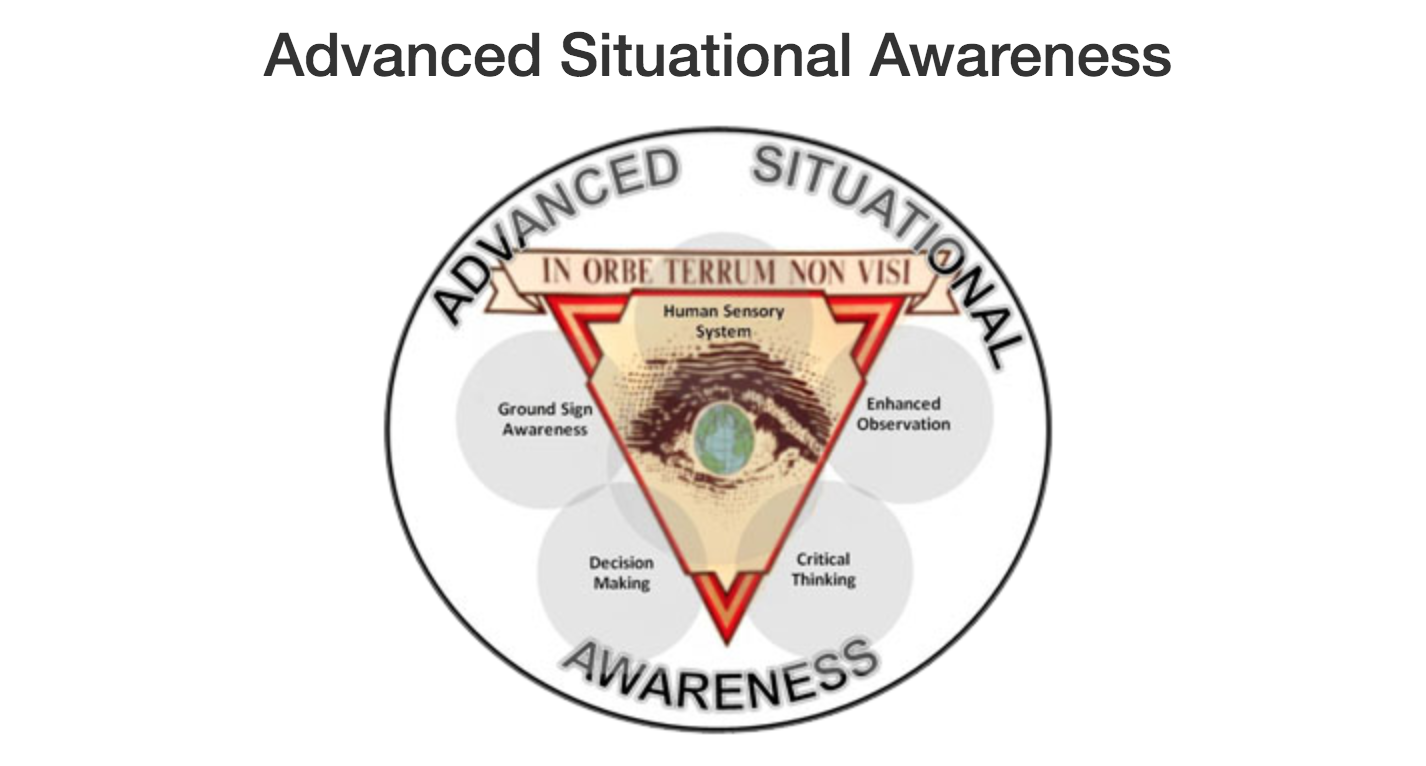
Advanced Situational Awareness “optimizes human performance through building the skills necessary to develop agile, resilient, adaptive, and innovative Soldiers who thrive in conditions of uncertainty and chaos.”
The program was described in Advanced Situational Awareness, US Army Training Circular TC 3-22.69, 316 pages, April 2021.
America’s affordability problem is bigger than home prices and rents. The best housing policies make it easier to build homes, and recognize how housing connects to other domains.
America’s affordability problem, for instance, is bigger than home prices and rents. How we build affects household costs like insurance and utilities.
As humans expand our geographic reach, encroach on untouched natural territories, and interact more with animal populations, we will encounter novel zoonotic diseases that threaten the human body. The sooner we act to address these risks, the better.
This report serves as a landscape assessment and toolbox from which local governments can negotiate an informed position when it comes to the levers available to them and includes a first-of-its kind analysis of eight executed community benefits agreements.