Repurposing Generic Drugs to Combat Cancer
Summary
Cancer patients urgently need more effective treatments that are accessible to everyone. This year alone, an estimated 1.9 million people in the United States will receive new cancer diagnoses, and cancer will kill more than 600,000 Americans. Yet there are no targeted therapeutics for many cancers, and the treatments that do exist can be prohibitively scarce or expensive.
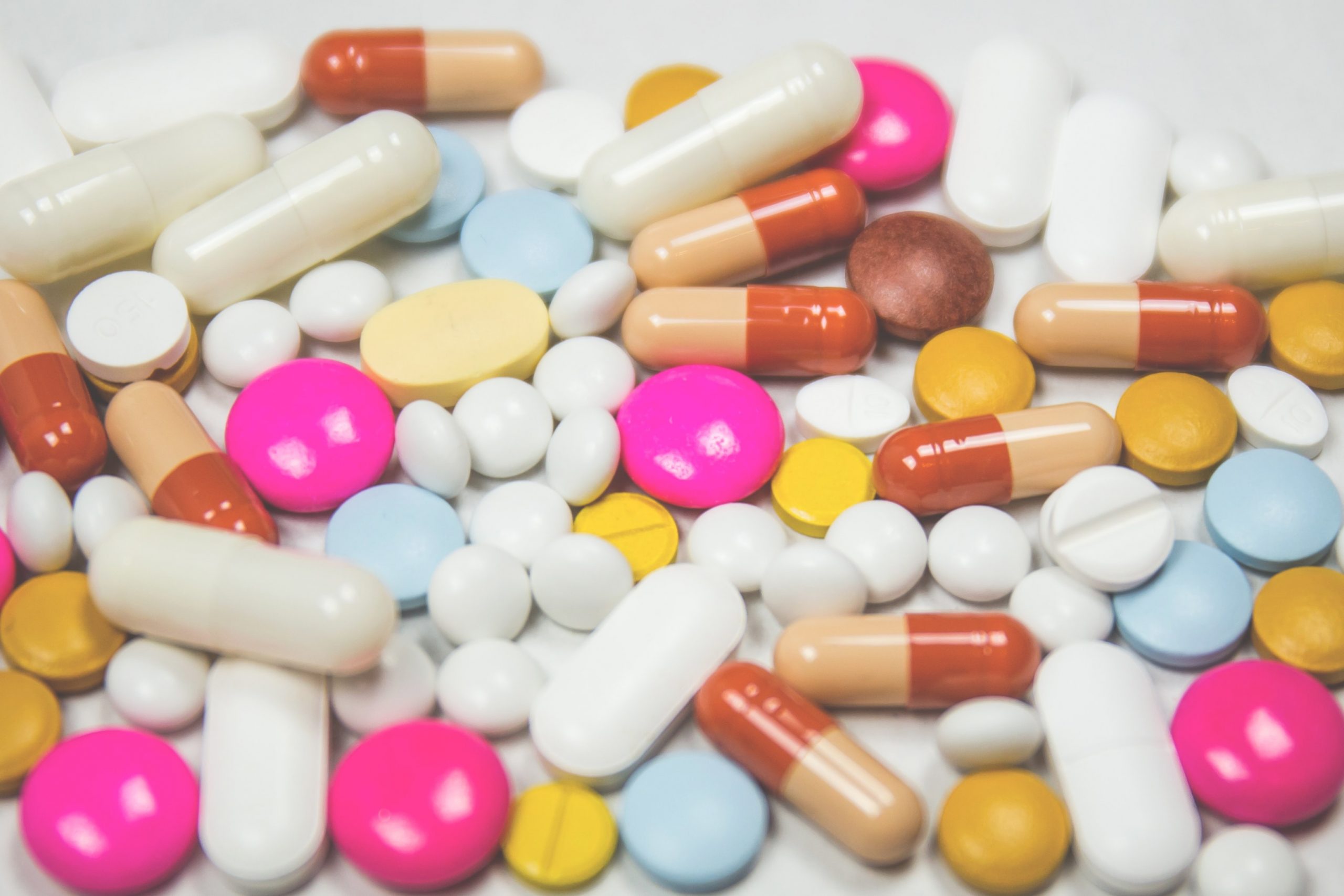
Repurposing existing drugs, especially off-patent generics, is the fastest way to develop new treatments. Hundreds of non-cancer generic drugs have already been tested by researchers and physicians in preclinical and clinical studies for cancer, some up to Phase II trials, and show intriguing promise. But due to a market failure, there is a lack of funding for clinical trials that evaluate generic drugs. This means that there isn’t conclusive evidence of the efficacy and safety of repurposed generics for treating cancer, and so cancer patients who desperately need more (and more affordable) treatment options are unable to realize the benefits that existing generics might offer.
To quickly and affordably improve the lives of cancer patients, the Biden-Harris Administration should create the Repurposing Generics Grant Program through the National Cancer Institute. This program would fund definitive clinical trials evaluating repurposed generic drugs for cancer. A key first step would be for President Biden to include this program in his FY2022 budget proposal. Congress could then authorize the program and related appropriations totaling $100 million over 5 years.
We sat down with Dr. Max Moritz and Chief Rob Hazard to discuss how communities use time, money, and data to reduce the risk that wildfires pose.
Colorado already has the building blocks in place to modernize its agricultural industry – they just have to put it to use. With state recognition, a San Luis Valley pilot could improve local capacity in just three years.
About 86% of Colorado’s water is used for agriculture, but only about 30-60% of that water actually reaches crops. Conveyance efficiency through canal modernization is a powerful drought resilience and water saving strategy with proven technical feasibility.
In an ideal world, we would not have state or federal climate intervention research bans. We would have researchers and institutions that would not shy away from revealing the good, the bad, and the ugly of these technologies and doing so responsibly.