climate change adaptation,
extreme weather
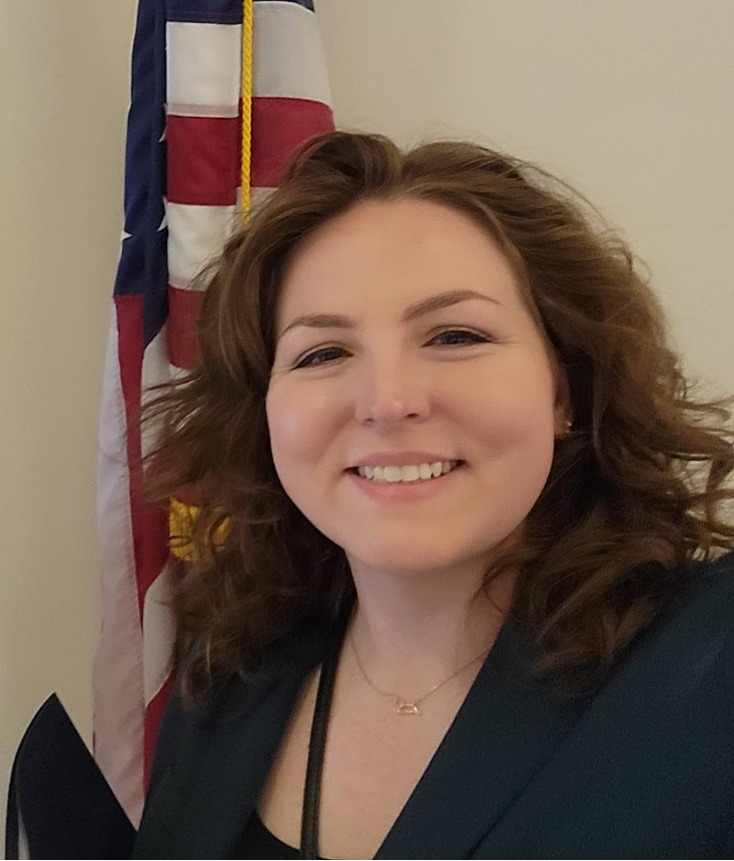
Alex Holland is a Graduate Intern in Climate, Health, and Environment for the Federation of American Scientists. She is a second year PhD student in Population Health Sciences at the University of Texas Medical Branch in Galveston, where she studies the effects of climate change on public health, especially for older adults.
A Graduate Fellow with the Archer Center (“where Texas meets the world”), Alex is working with the FAS Climate, Health, and Energy team to advance equitable solutions at the nexus of public health and environmental challenges, including extreme heat and natural disasters. Prior to her beginning her PhD journey, she received her BSW and MSW in social work, and is a licensed social worker in the State of Texas.
Once upon a time, the President’s budget was a realistic proposal to Congress about what the federal government should spend money on. These days, it’s essentially just a declaration of everything the President would do if Congress didn’t matter at all.
Hurricanes cause around 24 deaths per storm – but the longer-term consequences kill thousands more. With extreme weather events becoming ever-more common, there is a national and moral imperative to rethink not just who responds to disasters, but for how long and to what end.
With summer 2025 in the rearview mirror, we’re taking a look back to see how federal actions impacted heat preparedness and response on the ground, what’s still changing, and what the road ahead looks like for heat resilience.