Using AI and Virtual Reality/Augmented Reality to Deliver Tailored and Effective Jobs Training
Summary
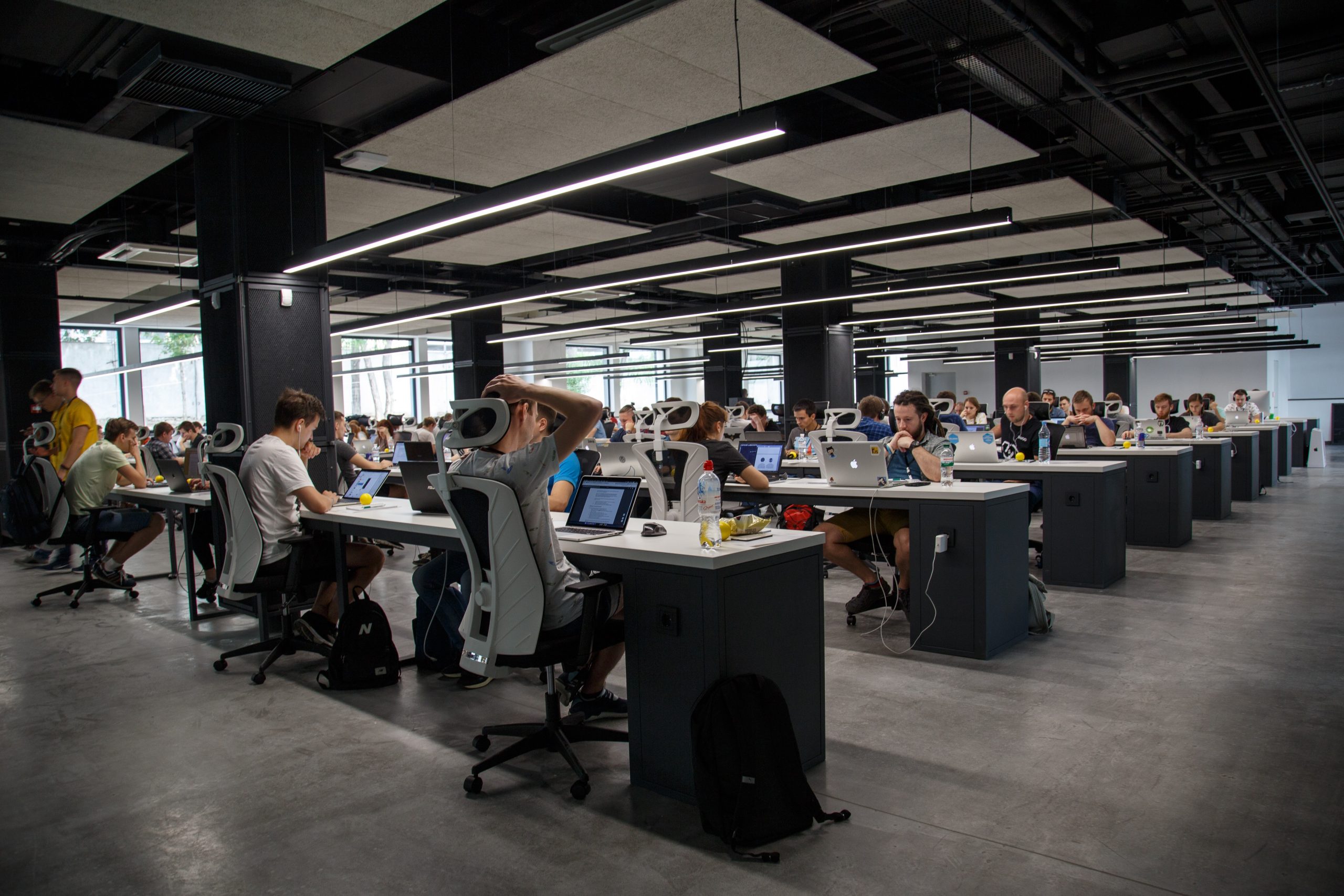
To address the critical challenges of lifelong learning, evolving skills gaps, and continuous labor market transformation and automation, all Americans need to have access to agile and effective jobs training. Artificial intelligence (AI) and virtual reality/augmented reality (VR/AR) capabilities can deliver training tailored to the unique backgrounds, preferences, and needs of every individual. In this memo, we propose a two-stage approach that the Biden-Harris administration can adopt to help prepare Americans for the jobs of the future through responsible use of AI and VR/AR.
Stage 1 would launch a one to three pilot programs that leverage AI and VR/AR technologies to provide targeted training to specific communities.
Stage 2 would establish a national prize competition soliciting proposals to build and deliver a federal lifelong learning platform for the nation.
Soft law was never meant to be a permanent solution. Treating it as one, and letting the sandcastle stand in for the skyscraper indefinitely, is how we end up with a decade of voluntary commitments and no enforceable accountability to show for it.
Jobseekers, employees at smaller organizations, and local public workers need more than a weekend crash course in AI. They need practice choosing useful tasks, protecting data, testing outputs, and explaining where human judgment remains necessary.
“What excites me is that it’s very tempting to be very discouraged, and say, ‘Oh, we’ve got these archaic institutions that are calcified and you could never change them.’ But I think we’re in the middle of a technological revolution that will upend lots of things, and does provide a window.”
As Congress considers broader packages to advance critical minerals production and supply chain resilience, science diplomacy vehicles must be part of that conversation, not as an afterthought, but as an intentional and foundational pillar of any strategy.