Reforming Nuclear Research Practices in the Marshall Islands
Summary
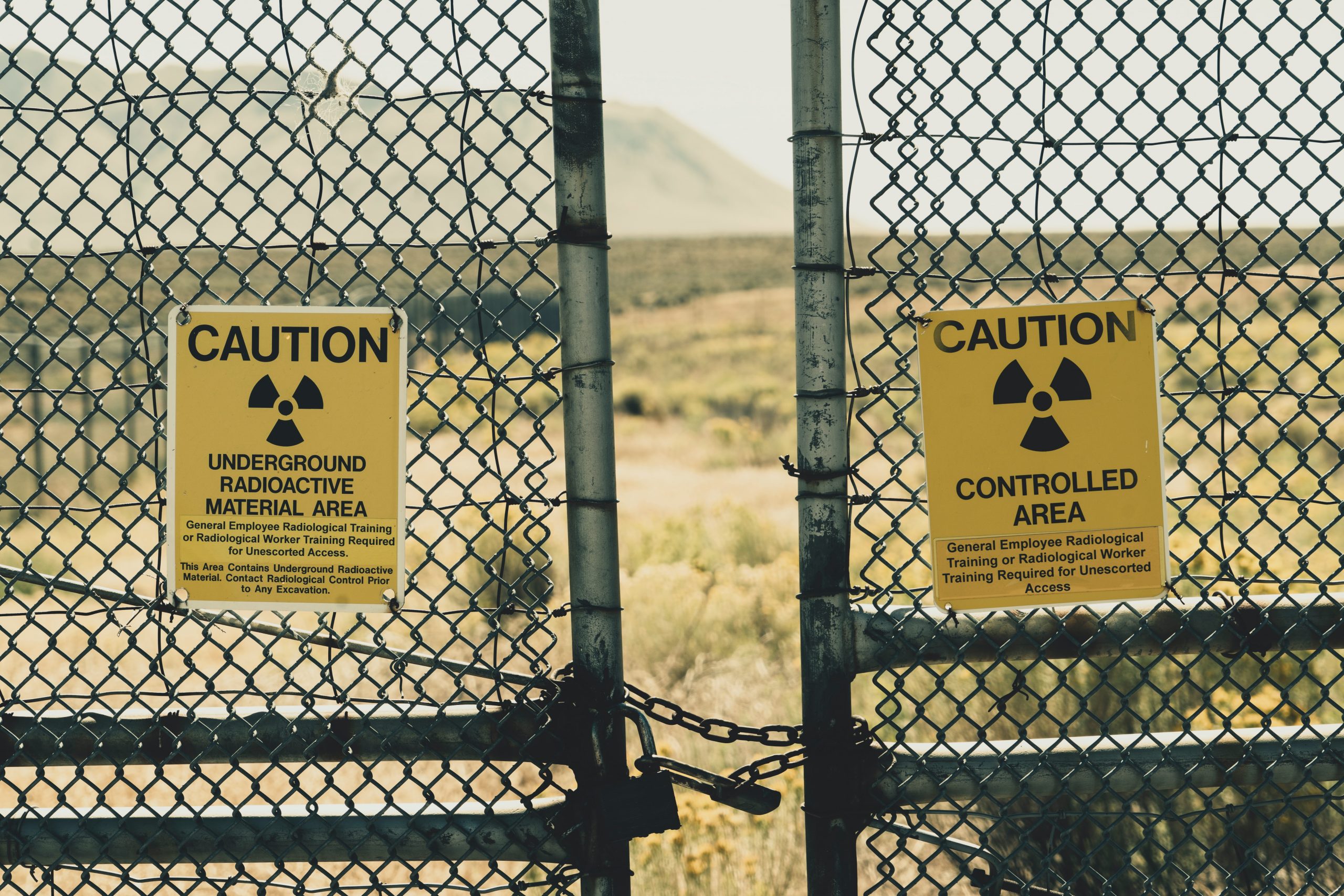
In the mid-20th century, the United States test-detonated dozens of nuclear weapons in the Republic of the Marshall Islands (RMI). Using the RMI as a test site for nuclear- weapons research allowed the U.S. to better understand the effects of such weapons and their destructive capacities — but at significant cost. Conducting nuclear tests in the vulnerable RMI harmed human health, fomented distrust in research sponsored by the U.S. government, and fueled tensions with the Marshallese. Fallout from the tests undermined U.S. influence in the Pacific, cooperation over ecological restoration, and the reputation of the U.S. research enterprise. Building back relations with the RMI (and other allies that have long supported the United States) is crucial for enabling the Biden Administration to undo the adverse effects of Trump-era policies on international relations and the environment, especially amid rising threats from China and Russia.
To that end, the Department of Energy (DOE) and Department of Interior (DOI) should adopt provisions for conducting nuclear research with and in the Marshall Islands that will: (i) increase transparency and trust in American research concerning the Marshall Islands, and (ii) elevate Marshallese voices in the fight for preservation of their lands. These provisions are as follows:
- All collected data should be translated into Marshallese and shared with RMI officials and relevant stakeholders.
- When appropriate (e.g., when security and privacy considerations permit), collected data should be published in an easy-to-access online format for public consumption.
- All research should be clearly laid out and submitted to the RMI National Nuclear Commission (NNC) in accordance with the NNC’s Nuclear Research Protocol.
- The United States should coordinate with the NNC, the College of the Marshall Islands (CMI) Nuclear Institute, regional agencies, and other relevant nongovernmental organizations and local stakeholders to ensure that local knowledge is considered in the design of nuclear-related research and data projects.
- All possible steps should be taken to include the participation of Marshallese residents in research ventures and operations.
It is difficult to assess from photos whether the Sentinel missile is longer or wider overall than the Minuteman, but the Sentinel clearly has a thicker second stage, which could potentially contribute to the missile’s extended range.
This is not the first time Google has agreed to censor imagery at the behest of governments, but be warned: obfuscation at this broad level poses a direct threat to the public’s ability to monitor and scrutinize government operations.
As humans expand our geographic reach, encroach on untouched natural territories, and interact more with animal populations, we will encounter novel zoonotic diseases that threaten the human body. The sooner we act to address these risks, the better.
“One thing became increasingly clear: AI doesn’t simply introduce a new category of risk. It changes the speed, scale, complexity, and interaction of risks that already exist.”